




Textile waste varies considerably in its structure, fiber composition, thickness, and condition. Cotton scraps, discarded garments, yarn waste, fabric selvedges, and nonwoven materials do not behave in the same way during recycling. Using unsuitable equipment can lead to incomplete opening, uneven fiber output, excessive material accumulation, or unnecessary fiber damage.
A Fiber Opening Machine helps loosen compacted textile materials and separate tangled fiber bundles so they can be reused or processed further. However, choosing the right machine requires more than checking its general processing capacity. The type of waste, its condition, the desired output, and the requirements of the next production stage all influence equipment selection.
Different Textile Waste Materials Require Different Opening Approaches
Cotton Waste and Cotton Fabric Scraps
Cotton waste is commonly found in textile manufacturing, garment production, and fabric processing. It may include cutting scraps, leftover fabric, yarn waste, and other cotton-based materials.
Relatively clean cotton waste can often be processed through fiber opening equipment to loosen compacted fibers. However, tightly compressed materials or scraps containing long fabric strips may require size reduction before entering the opening stage.
For cotton waste recovery, operators should consider whether the machine can handle the material consistently without creating excessive short fibers. If the recovered fibers are intended for further spinning or nonwoven production, fiber condition and output consistency become especially important.
Used Clothing and Mixed Fabric Waste
Used clothing is more complicated because it may contain different fiber types, fabric constructions, seams, buttons, zippers, and other accessories.
Before feeding garments into a Fiber Opening Machine, operators should remove components that could interfere with processing or damage equipment. Large garments may also need cutting into manageable pieces to improve feeding consistency.
Another consideration is material composition. Cotton, polyester, wool, and blended fabrics may respond differently during opening. When processing mixed textile waste, operators should not assume that one machine setting or processing method will produce the same result for every material.
Yarn Waste and Fabric Selvedges
Yarn waste and fabric selvedges are generated during textile production. Although these materials may be relatively clean, their shapes can create feeding challenges.
Long yarns or narrow fabric strips may become tangled or accumulate around feeding components if they are introduced too quickly. The material may therefore need to be loosened, separated, or cut into suitable sizes before opening.
For these applications, equipment selection should consider the material’s length, density, and feeding behavior rather than relying only on its weight.
Nonwoven Textile Waste
Nonwoven waste has a different structure from conventional woven or knitted fabrics. Its fiber arrangement and bonding method can affect how it responds to mechanical opening.
Some nonwoven materials can be loosened and separated, while others may be too firmly bonded or contain components that are unsuitable for the intended recycling process. Operators should evaluate the actual material before selecting a Fiber Opening Machine.
What Should You Check Before Choosing a Fiber Opening Machine?
Material Size and Feeding Condition
The size and shape of textile waste directly affect feeding stability. Large pieces may bridge at the inlet, while long strips can become tangled. Highly compacted materials may also be difficult to distribute evenly. Before choosing a Fiber Opening Machine, consider whether the waste can enter the equipment directly or needs preliminary cutting and separation.
Fiber Composition and Material Condition
Fiber composition influences how waste behaves during mechanical processing. Natural fibers, synthetic fibers, and blended materials can differ in strength, elasticity, and resistance to repeated mechanical action. The condition of the waste matters as well. Clean production scraps are generally easier to evaluate than used textiles containing dirt, moisture, or foreign materials. If the incoming material varies significantly, operators should discuss the expected composition and condition with the equipment supplier before making a selection.
Desired Recovered Fiber Quality
The required output should guide the choice of opening equipment. Some applications may accept relatively coarse recovered fibers for filling or other nonwoven products. Other applications may require more consistent fiber condition for additional processing. A Fiber Opening Machine should therefore be evaluated according to the intended use of the recovered material, not simply whether it can break apart textile waste. Excessive mechanical processing may shorten fibers, while insufficient opening may leave compacted bundles.
Why Processing Capacity Is Not the Only Selection Factor
Production capacity is an important consideration, but choosing equipment based on capacity alone can create problems after installation.
For example, a machine may have a suitable nominal capacity but still struggle when handling long, irregular, or highly compacted materials. Uneven feeding can reduce actual operating efficiency and affect output consistency.
Operators should consider the relationship between material preparation, feeding, opening, and downstream processing. If the opening machine receives material faster than it can process it, accumulation may occur. If the feeding rate is too low or inconsistent, the equipment may not operate efficiently.
It is also important to consider whether the machine can accommodate changes in the material mix. Textile recycling facilities may handle different waste streams over time, so flexibility can be valuable. However, flexibility should be confirmed through actual material testing rather than assumed from general product descriptions.
When Is Additional Equipment Needed Before or After Opening?
A Fiber Opening Machine is often one part of a larger textile recycling process. Whether additional equipment is necessary depends on the material and the final application. For large fabric pieces, garments, or long textile scraps, a cutting machine may be needed before opening. Cutting reduces oversized material and helps make feeding more manageable. It does not replace the opening process, because reducing material size and separating fiber bundles are different tasks.
After opening, some materials may require further processing, such as additional opening, carding, or other fiber treatment. The appropriate arrangement depends on the recovered fiber’s intended use and the consistency required by the next stage. For this reason, equipment should be considered as part of a complete processing line rather than as an isolated machine.
How to Evaluate a Fiber Opening Machine Before Purchase
Before investing in a Fiber Opening Machine, operators should prepare representative samples of the materials they plan to process. Testing actual waste is more useful than relying only on general descriptions of machine capability.
- Material compatibility: Check whether the equipment can handle the actual fabric types, fiber blends, sizes, and conditions involved.
- Opening results: Observe whether the output is sufficiently loosened and consistent for the intended application.
- Fiber condition: Check for excessive fiber shortening, uneven separation, or remaining compacted bundles.
- Feeding stability: Evaluate whether materials enter the machine smoothly without frequent blockages or accumulation.
- Line compatibility: Confirm that the machine can work with the required cutting, conveying, and downstream equipment.
It is also useful to discuss future production needs. If the facility expects to process additional textile waste categories, the equipment arrangement should be evaluated for those materials before purchase.
Finding the Right Fiber Opening Solution for Textile Recycling
Selecting a suitable Fiber Opening Machine starts with understanding the waste materials rather than choosing equipment based on capacity or appearance alone. Cotton scraps, used garments, yarn waste, fabric selvedges, and nonwoven materials may require different preparation and opening approaches.
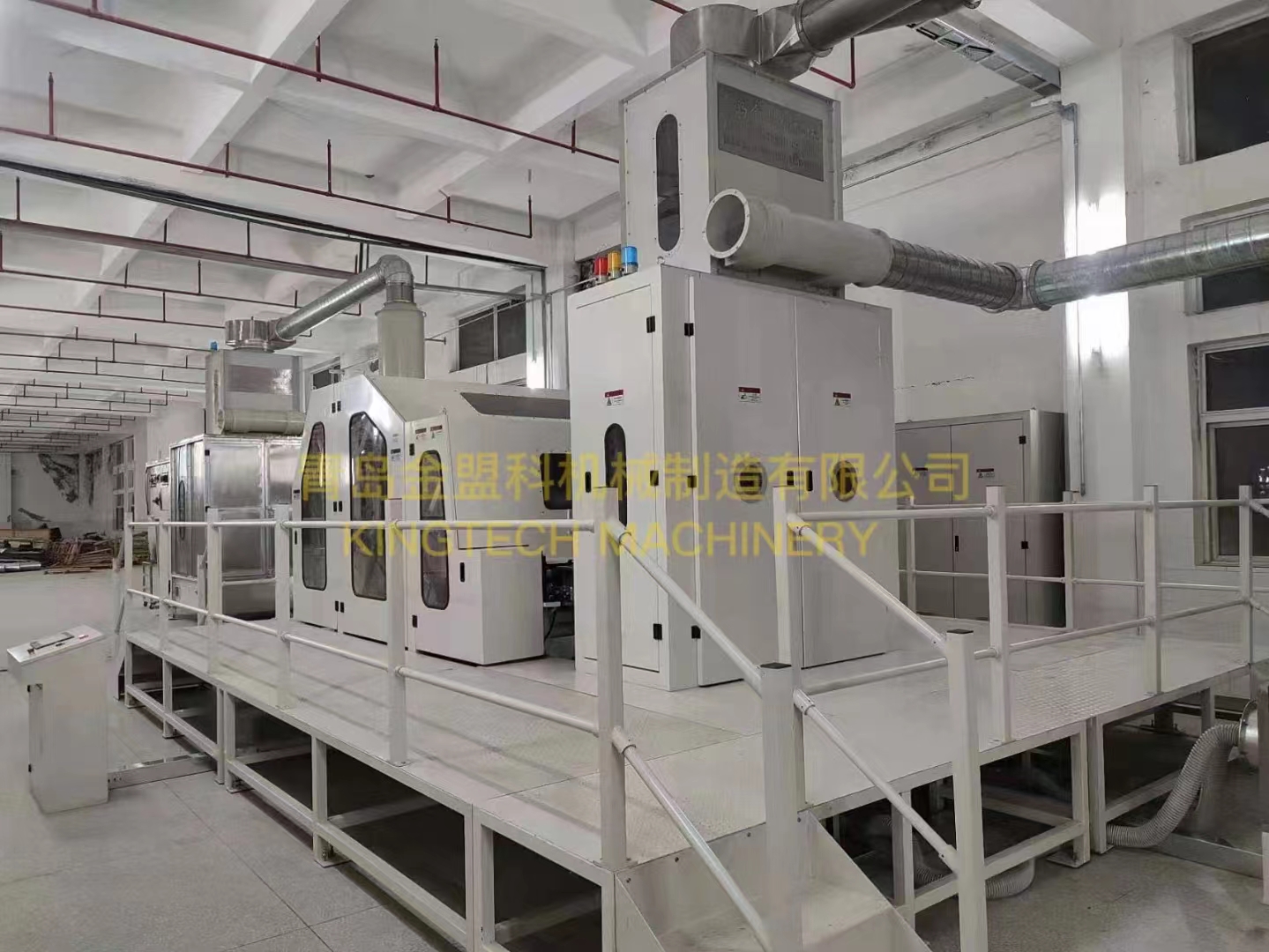
Kingtech Machinery provides textile waste recycling and fiber processing equipment, including opening machines, cutting equipment, and combined opening systems. When evaluating a solution, operators can consider the type of waste, required output, and connection between processing stages to determine a suitable equipment arrangement. Providing material samples and clear application requirements can also help make equipment discussions more specific and practical.
Conclusion
A suitable Fiber Opening Machine should match the characteristics of the textile waste and the requirements of the recovered fiber. Material size, fiber composition, feeding condition, and final application all influence equipment selection. By evaluating actual waste samples and considering the complete recycling process, operators can make better equipment decisions, improve processing consistency, and reduce problems caused by material incompatibility.
FAQ
1. Can one Fiber Opening Machine process both natural and synthetic fibers?
It depends on the machine configuration and the characteristics of the materials. Cotton, polyester, and blended textile waste may require different processing conditions. Material testing is recommended before selecting equipment for mixed fiber applications.
2. Does textile waste need to be sorted before entering a Fiber Opening Machine?
Sorting is recommended when the waste contains different fiber compositions, accessories, or foreign materials. Separating unsuitable components helps improve processing consistency and reduces the risk of equipment problems.
3. How can operators tell whether textile waste has been opened sufficiently?
The recovered material should be evaluated for fiber separation, remaining compacted bundles, and consistency. The required opening result depends on whether the fibers will be used for filling, nonwoven production, or further textile processing.
4. What information should be provided when requesting a Fiber Opening Machine quotation?
Useful information includes the type of textile waste, fiber composition, material size, expected processing capacity, and intended use of the recovered fibers. Material samples or photos can also help the equipment supplier evaluate a suitable solution.
Post time: Nov-13-2026