




Textile waste often requires mechanical preparation before it can be reused as raw material. Fabric offcuts, discarded garments, yarn waste, and nonwoven materials vary in size, thickness, and structure. Feeding these materials directly into fiber-opening equipment can create handling difficulties and affect processing consistency.
An Industrial Fabric Shredder helps prepare textile waste by reducing bulky materials into smaller, more manageable pieces. However, shredding is only one stage of fiber recovery. The output must also meet the requirements of subsequent equipment. Understanding how material characteristics, output size, and processing capacity work together can help recycling facilities establish a more efficient production process.
Why Textile Waste Needs Mechanical Preparation
Textile waste comes from different stages of manufacturing and product use. Garment factories generate cutting scraps and rejected fabrics, textile mills produce yarn and fabric waste, while recycling facilities may process used clothing and mixed textiles.
These materials cannot always be handled in the same way. Large fabric pieces are difficult to distribute evenly into opening equipment. Rolled or folded materials may enter a machine in concentrated batches, while thick fabrics and layered textiles can require greater mechanical force than lightweight scraps.
Mechanical preparation reduces these handling difficulties. An Industrial Fabric Shredder breaks bulky textile materials into smaller sections, making them easier to convey, distribute, and feed into the next processing stage.
The objective is not to make every material identical. Instead, shredding creates a more manageable feedstock that allows downstream equipment to operate under more consistent conditions. This is particularly important for facilities that handle several types of textile waste within the same production line.
How Shredding Supports Fiber Recovery
Shredding changes the physical form of textile waste, but it does not necessarily separate individual fibers. Most fabrics consist of interconnected yarns or fiber structures. Simply reducing their size does not automatically release the fibers for reuse.
For example, a large cotton fabric offcut may be difficult to feed into a fiber-opening machine. After passing through an Industrial Fabric Shredder, it becomes smaller pieces that are easier to transport and distribute. The opening equipment can then loosen the material structure and release fibers from the original fabric.
This distinction matters when selecting recycling equipment. Shredding mainly performs size reduction and material preparation, while fiber opening further loosens textile structures. Each stage has a different purpose, and one cannot always replace the other.
The appropriate degree of shredding depends on the next processing requirement. Pieces that remain too large may cause feeding difficulties, while unnecessary repeated shredding can increase energy consumption and equipment wear. The goal should be to produce material that is suitable for subsequent processing rather than pursuing the smallest possible output.
Choosing a Shredding Approach for Different Textile Materials
Textile materials vary in composition, thickness, and construction. A process suitable for clean cotton scraps may not work equally well for thick upholstery fabrics or mixed used clothing. These differences should be considered before choosing an Industrial Fabric Shredder and determining its operating conditions.
Cotton waste commonly comes from spinning, weaving, cutting, and garment manufacturing. Large cotton fabric pieces can be shredded before entering fiber-opening equipment, improving material handling during subsequent processing. The suitability of the recovered fibers depends on the original material and its condition.
Polyester and blended fabrics require additional consideration. Their physical characteristics differ from those of natural fibers, and their recycling options depend on their composition and intended application. Shredding can prepare these materials for further processing, but it cannot independently separate cotton from polyester or other blended fibers.
Nonwoven fabrics also cover a wide range of structures. Lightweight materials may be relatively easy to process, while dense or bonded nonwovens can require different handling conditions. Used clothing presents additional challenges because seams, linings, zippers, buttons, and other components may affect the recycling process.
Before processing, operators should evaluate several material characteristics:
- Fiber composition: Identify natural fibers, synthetic fibers, and blends to determine the appropriate recycling route.
- Material thickness: Thick or layered fabrics may require different feeding conditions from lightweight textile scraps.
- Waste condition: Moisture, dirt, coatings, and non-textile components can affect equipment operation and recovered material quality.
- Downstream requirements: The size and condition of shredded pieces should match the feeding and opening capabilities of the next machine.
Sorting textile waste before shredding can make processing more predictable. It also helps determine which materials can share a production route and which require separate treatment.
Why Output Size and Consistency Matter
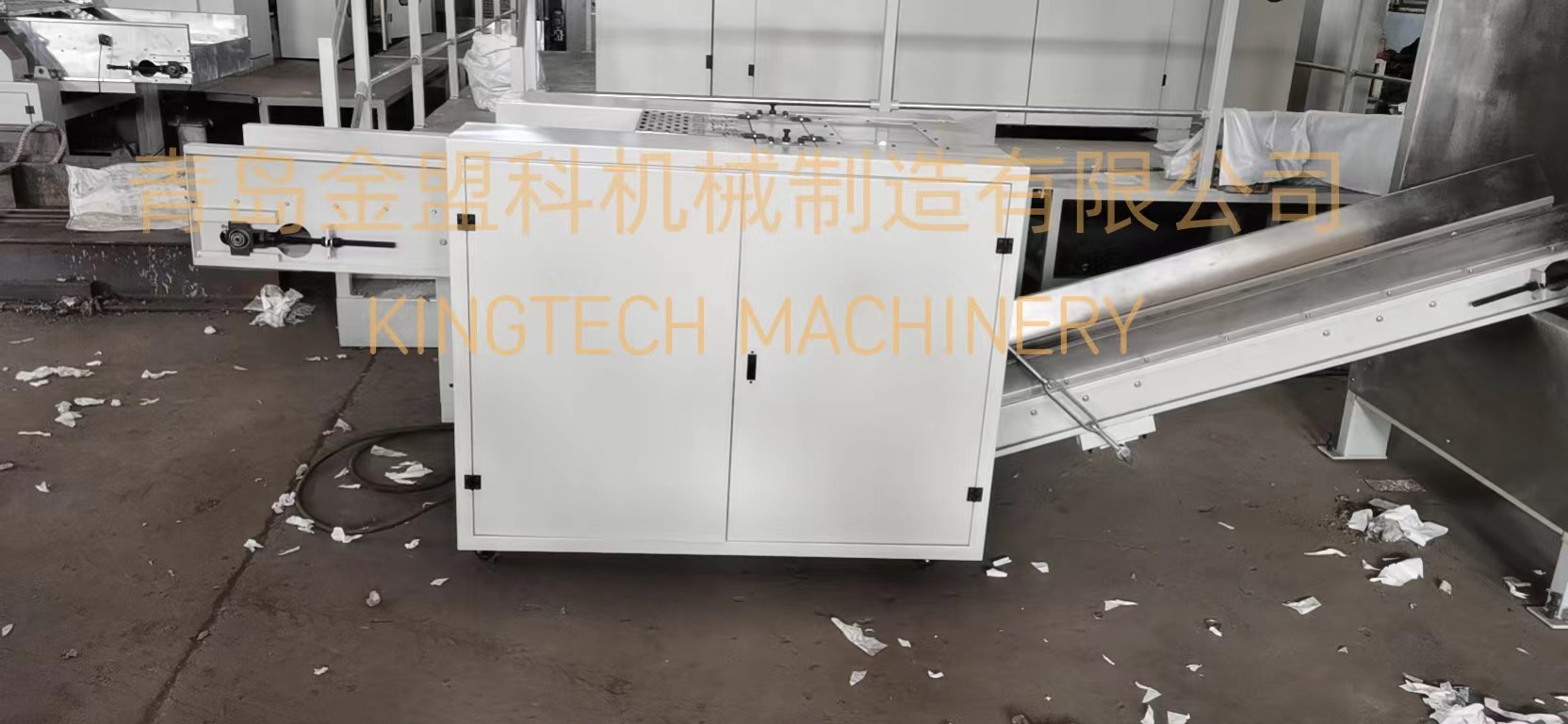
The output of an Industrial Fabric Shredder directly affects material handling in the next stage. If shredded pieces vary significantly in size, the feeding system may receive an inconsistent flow. Oversized sections can be difficult to distribute, while very small fragments may behave differently during conveying and opening.
Uniform output does not mean every piece must have exactly the same dimensions. Textile materials naturally differ in shape and structure. The important consideration is whether the shredded material can be handled reliably by the connected equipment.
Operators should evaluate the actual processing results rather than focus on a single size target. They can check whether material enters the opening machine smoothly, whether waste accumulates between stages, and whether additional size reduction is frequently required.
Capacity matching is equally important. If the shredder supplies material faster than the opening equipment can process it, intermediate storage or production delays may occur. If the shredding stage cannot maintain a sufficient supply, downstream equipment may operate intermittently. Coordinating processing capacity helps maintain a more stable material flow.
Common Problems During Textile Waste Preparation
Even a suitable Industrial Fabric Shredder may produce inconsistent results when materials are poorly prepared or operating conditions do not match the incoming waste.
Mixing materials with very different characteristics is one common problem. Lightweight cotton scraps, thick synthetic fabrics, and garments containing non-textile components may require different handling methods. Sorting these materials before processing can reduce feeding difficulties and make output easier to control.
Irregular feeding can also affect performance. Large, tightly packed batches may enter the machine unevenly, causing temporary increases in mechanical load. A controlled feeding arrangement helps maintain a more consistent flow and reduces unnecessary manual intervention.
Contamination deserves attention as well. Metal accessories, hard objects, and excessive dirt can interfere with equipment operation or complicate later recovery stages. Removing unsuitable components before shredding helps reduce avoidable processing problems.
Finally, equipment capacity should be evaluated across the entire production line. A high-capacity shredder cannot improve overall output if the following opening or cleaning equipment becomes a bottleneck. Each stage needs to be matched to the actual material flow.
Connecting Shredding with the Complete Fiber Recovery Process
An effective textile recycling line should be designed around the intended use of the recovered material. Shredding reduces textile waste to a manageable size, but additional processing is generally necessary before usable fibers can be obtained.
After shredding, fiber-opening equipment loosens the material structure and helps release fibers from the original fabric or yarn. Depending on the condition of the incoming waste, cleaning and separation may also be needed to remove impurities and prepare the recovered material for further use.
A typical process may include sorting, shredding, fiber opening, and subsequent cleaning or collection. Not every facility needs the same equipment combination. Clean factory offcuts may require a simpler processing route than used clothing or mixed textile waste.
For facilities handling cotton fabric scraps, used clothes, yarn waste, and nonwoven materials, combining cutting or shredding equipment with suitable fiber-opening and cotton waste recycling machines can create a more coordinated workflow. Kingtech provides equipment covering textile cutting, fiber opening, and cotton waste recycling. When selecting an Industrial Fabric Shredder, operators should consider the incoming material, required output, and capacity of connected machines to establish a configuration that fits their actual production needs.
Conclusion
An Industrial Fabric Shredder prepares textile waste for fiber recovery by reducing bulky materials into smaller, easier-to-handle pieces. Its effectiveness depends on matching the shredding process to fabric characteristics and downstream equipment requirements. When shredding is properly coordinated with fiber opening and other necessary recycling stages, textile waste can enter the recovery process in a more manageable and consistent condition.
FAQs
1. Can an Industrial Fabric Shredder process used clothing?
Yes, suitable clothing materials can be processed, but metal accessories, hard components, and other unsuitable materials should be checked before shredding. Preparation requirements depend on the clothing type and recycling objective.
2. Does smaller shredded fabric always produce better recycled fibers?
No. The ideal size depends on the feeding and opening requirements of the next stage. Excessive size reduction may increase energy consumption without improving fiber recovery.
3. Can one machine handle all types of textile waste?
Not necessarily. Fabric thickness, construction, fiber composition, and contamination levels influence processing requirements. Material testing can help determine whether different waste streams can be handled by the same machine.
4. What equipment is commonly used after textile shredding?
Fiber-opening machines are commonly used to loosen shredded materials and release fibers. Depending on the waste condition and recovery objective, cleaning, separation, and collection equipment may also be required.
Post time: Nov-06-2026