




In the textile recycling industry, one of the most critical steps is size reduction of waste materials. A Waste Clothes Cutting Guillotine Cutting Machine plays a vital role in preparing textile waste for further processing, ensuring uniform cutting, higher efficiency, and better fiber recovery.
For B2B buyers and recycling facilities, choosing the right cutting solution can directly impact productivity, material handling efficiency, and overall recycling performance.
What Is a Waste Clothes Cutting Guillotine Cutting Machi
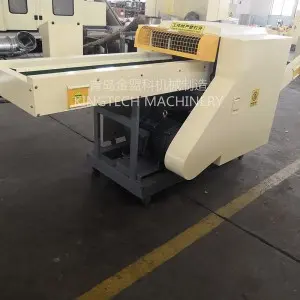
A Waste Clothes Cutting Guillotine Cutting Machine is an industrial device designed to cut bulk textile waste—such as used garments, fabric scraps, and industrial textile offcuts—into smaller, manageable pieces. These machines use a powerful guillotine blade system to deliver precise and consistent cuts.
Unlike manual cutting or basic shredding, guillotine cutting machines provide controlled cutting length and higher processing efficiency, making them essential for modern textile recycling lines.
Key functions include:
● Cutting large volumes of waste textiles into uniform sizes
● Preparing materials for shredding, opening, or fiber recovery
● Reducing processing time in downstream recycling stages
● Improving feeding efficiency for subsequent machines
Why Is Guillotine Cutting Important in Textile Recycling?
Before textile waste can be processed into fibers, it must be properly sized. Uneven or oversized materials can reduce machine efficiency and damage downstream equipment.
Key benefits of using a guillotine cutting machine:
● Ensures consistent input size for shredding and opening machines
● Increases overall recycling line efficiency
● Reduces wear and tear on downstream equipment
● Improves fiber yield and quality
● Minimizes manual labor and operational risks
For large-scale recycling plants, this step is crucial for maintaining stable production output.
Key Features of Waste Clothes Cutting Guillotine Machines
Modern guillotine cutting machines are designed to meet industrial demands, combining power, precision, and automation.
Typical features include:
● Heavy-duty steel frame for long-term durability
● High-strength guillotine blade for clean and fast cutting
● Adjustable cutting length for different material requirements
● Hydraulic or mechanical drive systems for stable operation
● Safety protection systems to ensure operator safety
● Conveyor feeding system for continuous processing
These features allow the machine to handle a wide variety of textile waste types efficiently.
Applications Across Different Textile Waste Types
Waste Clothes Cutting Guillotine Machines are widely used across different segments of the textile recycling industry.
Common applications include:
● Used clothing recycling centers
● Garment factory waste processing
● Nonwoven material preparation
● Fiber recycling production lines
● Industrial textile waste handling
These machines are capable of processing materials such as cotton, polyester, denim, blended fabrics, and even thick textile waste.
How to Choose the Right Guillotine Cutting Machine?
Selecting the right machine depends on your production scale, material type, and automation requirements.
Key factors to consider:
● Cutting capacity: Ensure the machine meets your daily processing volume
● Material compatibility: Different fabrics require different blade strength and power
● Automation level: Manual, semi-automatic, or fully automatic options
● Safety features: Emergency stop, protective covers, and sensor systems
● Integration capability: Compatibility with existing recycling lines
Making the right choice can significantly improve operational efficiency and reduce long-term costs.
Advantages Over Traditional Cutting Methods
Compared to manual cutting or basic shredding machines, guillotine cutting machines offer clear advantages in industrial applications.
Major advantages:
● Higher cutting precision and consistency
● Faster processing speed for bulk materials
● Reduced labor costs and manual handling
● Better preparation for fiber opening and recycling
● Lower machine downtime due to stable feeding
These benefits make guillotine cutting machines a preferred choice for modern recycling facilities.
Future Trends in Textile Cutting Equipment
With the rapid development of textile recycling, cutting machines are also evolving toward higher efficiency and smarter operation.
Emerging trends include:
● Integration with automated feeding and sorting systems
● Smart control systems for precision cutting adjustment
● Energy-efficient hydraulic systems
● Compact designs for flexible factory layouts
● Enhanced blade materials for longer service life
These innovations are helping recycling plants achieve higher productivity and better sustainability outcomes.
Conclusion
A Waste Clothes Cutting Guillotine Cutting Machine is an essential piece of equipment in textile recycling operations. It ensures consistent material preparation, improves processing efficiency, and supports high-quality fiber recovery.
For B2B buyers, investing in the right cutting solution is a key step toward building a reliable, efficient, and scalable textile recycling system.
FAQ
1. What materials can a guillotine cutting machine handle?
It can process a wide range of textile waste, including cotton, polyester, denim, blended fabrics, and industrial textile scraps.
2. Is a guillotine cutting machine suitable for large-scale recycling plants?
Yes, it is designed for high-capacity operations and can handle bulk textile waste efficiently.
3. How does it improve recycling efficiency?
By cutting materials into uniform sizes, it ensures smoother feeding into shredding and fiber processing machines.
4. Does the machine require high maintenance?
Routine blade maintenance and regular inspection are required, but modern machines are designed for durability and long service life.
Post time: Mar-31-2026