




Textile recycling starts with proper material preparation. Before waste cotton can be opened, cleaned, and converted into reusable fibers, the original textile materials need to be processed into a condition suitable for recycling equipment. Cotton waste from garment factories, textile production lines, and discarded cotton products often comes in irregular sizes, different thicknesses, and various structural forms, making direct processing more difficult.
A Waste Cotton Cloth Cutting Machine plays an important role in this preparation stage. By cutting large and irregular fabric waste into more manageable sizes, it helps improve feeding stability, supports smoother operation of downstream equipment, and creates better conditions for efficient fiber recovery.
Why Does Textile Waste Need Cutting Before Recycling?
Unlike raw cotton fibers, waste cotton cloth has already experienced multiple manufacturing processes such as weaving, dyeing, finishing, and sewing. During these processes, fabrics may become tightly structured, compressed, or mixed with different types of textile materials.
If large pieces of fabric waste enter the recycling system without proper preparation, several problems may occur. Oversized materials can affect feeding consistency, reduce opening efficiency, and require stronger mechanical treatment during fiber separation. This may increase energy consumption and create unnecessary stress on the fibers.
A cutting process helps solve these challenges by improving the uniformity of the input material. When fabric waste is prepared into suitable sizes, the following recycling stages can handle the material more effectively, resulting in a more stable and efficient production process.
The Role of a Waste Cotton Cloth Cutting Machine in Recycling Lines
In a complete textile recycling line, the cutting stage connects waste collection with fiber recovery. Its purpose is not only to reduce fabric size but also to improve the condition of the material before it enters opening and cleaning processes.
A properly selected Waste Cotton Cloth Cutting Machine can support the recycling process in several ways:
- Improving feeding consistency:
Fabric waste with more uniform sizes is easier to transport and feed into the next processing stage. This reduces sudden material accumulation and helps maintain stable operating conditions, especially in continuous recycling production. - Supporting efficient fiber opening:
When large fabric pieces are reduced into suitable sizes, opening equipment can process the material more evenly. Better preparation allows fibers to separate more effectively without relying on excessive mechanical force. - Reducing unnecessary fiber damage:
Oversized textile waste may require stronger opening action, which can increase fiber breakage. Proper cutting preparation helps reduce the mechanical stress required during later processing and supports better fiber preservation.
Although cutting is only one part of the recycling process, it has a direct influence on the performance of subsequent equipment. A stable material preparation stage provides a better foundation for the entire recycling system.
How Cutting Preparation Affects Recycled Fiber Quality
The quality of recycled cotton fiber depends on many factors, including the condition of the original waste, machine configuration, and processing methods. Cutting preparation improves the consistency of the material before it reaches fiber recovery equipment.
For example, garment production waste may contain folded sections, connected fabric layers, or tightly compressed areas. Without suitable preparation, some parts may remain difficult to open, reducing the efficiency of fiber release. By cutting the material into more suitable pieces, the recycling system can achieve more balanced processing conditions.
However, effective cutting does not mean reducing the material size as much as possible. Excessive cutting may create additional dust, increase material loss, and reduce overall recycling efficiency. The ideal cutting result should match the characteristics of the waste material and the requirements of the following processes.
Different recycling applications may also require different preparation methods. Materials intended for recycled yarn production usually require better fiber protection, while some nonwoven applications may focus more on consistent opening and material handling performance.
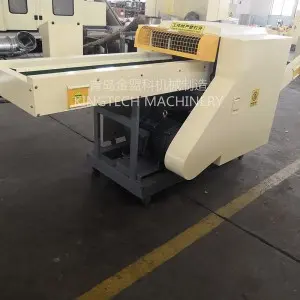
Key Factors When Choosing a Waste Cotton Cloth Cutting Machine
Selecting suitable cutting equipment requires consideration of more than production capacity. The machine should match the characteristics of the waste material and work effectively with the complete recycling process.
Important factors include:
- Material characteristics and processing requirements:
Different waste sources have different structures. Cotton cutting scraps, textile factory waste, and used cotton products may vary in thickness, strength, and contamination level. Understanding these differences helps determine the appropriate cutting method and equipment configuration. - Equipment stability and system compatibility:
A reliable cutting machine should provide consistent performance during continuous operation. It should also work smoothly with other recycling equipment, including opening machines, cleaning systems, and fiber processing units, to create an efficient production workflow. - Maintenance and long-term operation:
Recycling equipment often operates under demanding conditions. Easy maintenance, durable components, and stable operation are important factors that influence production efficiency and equipment service life.
Before purchasing equipment, manufacturers should evaluate not only current waste materials but also possible changes in future production requirements. A suitable machine should provide flexibility while maintaining stable processing results.
Applications of Waste Cotton Cloth Cutting Machines
Waste Cotton Cloth Cutting Machines are widely used in textile recycling industries where fabric waste needs to be prepared before further processing.
Typical applications include:
- Garment production waste recycling:
During clothing manufacturing, large amounts of fabric scraps and cutting waste are generated. Cutting equipment helps prepare these materials for recycling instead of allowing them to become unusable waste. - Textile factory waste processing:
Textile manufacturers often collect different types of cotton waste from production processes. Proper cutting preparation improves the efficiency of later recycling stages. - Used cotton textile recovery:
Discarded cotton fabrics and old textile materials can be reduced into suitable sizes before opening and fiber recovery. - Integrated recycling systems:
In automated recycling lines, cutting equipment works as an important preparation stage that supports stable operation of the entire system.
As textile recycling develops, manufacturers are increasingly focusing on complete recycling solutions rather than individual machines. Efficient material preparation has become a key factor in improving fiber recovery and maximizing the value of textile waste.
When designing a recycling system, choosing equipment based on actual material conditions is essential. Kingtech Machinery provides textile recycling solutions, including waste cotton processing equipment and related recycling systems. By combining suitable cutting, opening, and fiber processing equipment, manufacturers can establish a more efficient workflow and improve the utilization of textile waste materials.
Conclusion
A Waste Cotton Cloth Cutting Machine is an important first step in textile recycling. By transforming large and irregular fabric waste into suitable processing materials, it improves feeding stability, supports efficient opening, and helps create better conditions for fiber recovery.
The effectiveness of a recycling system depends on how well each processing stage works together. Selecting equipment according to material type, production requirements, and downstream processing needs allows manufacturers to improve recycling efficiency while making better use of cotton waste resources.
FAQs
1. Why is a Waste Cotton Cloth Cutting Machine important in textile recycling?
It prepares large and irregular textile waste into suitable sizes before opening and fiber recovery. This helps improve material handling, feeding stability, and the efficiency of the recycling process.
2. Does cutting size affect recycled fiber quality?
Yes. Cutting size can influence feeding performance, opening efficiency, and fiber recovery results. The suitable size depends on the type of waste material and the requirements of the following processing stages.
3. What materials can a Waste Cotton Cloth Cutting Machine process?
It is commonly used for cotton fabric scraps, garment production waste, textile factory leftovers, and other suitable cotton-based textile waste.
4. How does a cutting machine work with other recycling equipment?
In a complete recycling line, the cutting machine usually works before opening and cleaning equipment. It prepares materials so that later processes can operate more smoothly and efficiently.
Post time: Oct-10-2026