




A Small Textile Shredder is used to cut or reduce textile waste into smaller pieces before further recycling. For many factories, laboratories, small recycling workshops, and sample testing projects, not every material needs a large industrial recycling line from the beginning. When the waste volume is limited, the workshop space is small, or the company wants to test different materials before building a full system, a small textile shredder can be a practical first step.
Textile waste is often difficult to process in its original form. Old clothes may be tangled together, fabric scraps may be irregular in size, and nonwoven waste may come in long strips or soft sheets. If these materials are fed directly into an opener or recycling machine without cutting, they may cause uneven feeding, wrapping, blockage, or unstable opening results. A small textile shredder helps prepare the material by cutting it into manageable sizes, making the next recycling step easier and more stable.
Why Small-Scale Textile Waste Still Needs Proper Cutting
Some buyers may think that small amounts of textile waste can be handled manually. In reality, manual cutting is slow, inconsistent, and difficult to control when the material type changes. Even in a small workshop, fabric waste may include thick cloth, garment pieces, cotton rags, yarn waste, knitted scraps, or nonwoven strips. These materials do not always feed smoothly into later machines.
A small textile shredder can help solve several common problems:
- Large fabric pieces are difficult to feed.
- Long strips may wrap around rollers.
- Garment waste may contain seams, collars, or multilayer parts.
- Mixed textile scraps may have uneven thickness.
- Manual cutting takes too much labor time.
- Uncut material can reduce opener efficiency.
By cutting the material first, the recycling process becomes more predictable. The shredder does not usually complete the whole recycling process by itself; instead, it prepares the waste fabric for opening, carding, cleaning, or further fiber recovery.
What Materials Can a Small Textile Shredder Process?
A small textile shredder is suitable for many light to medium textile waste materials, depending on blade structure, feeding width, motor power, and cutting requirement. It is often used when the factory needs flexible processing rather than very large capacity.
Common materials include:
- Old clothes
- Garment cutting waste
- Cotton fabric scraps
- Knitted fabric waste
- Woven fabric pieces
- Nonwoven fabric waste
- Edge trims and narrow fabric strips
- Cotton rags
- Polyester fabric scraps
- Yarn waste in suitable forms
- Sample materials for recycling tests
Before choosing a shredder, the material thickness, hardness, moisture level, and impurity condition should be checked. If the waste contains hard foreign objects, metal pieces, zippers, or buttons, they should be removed before feeding to protect the blades and following equipment.
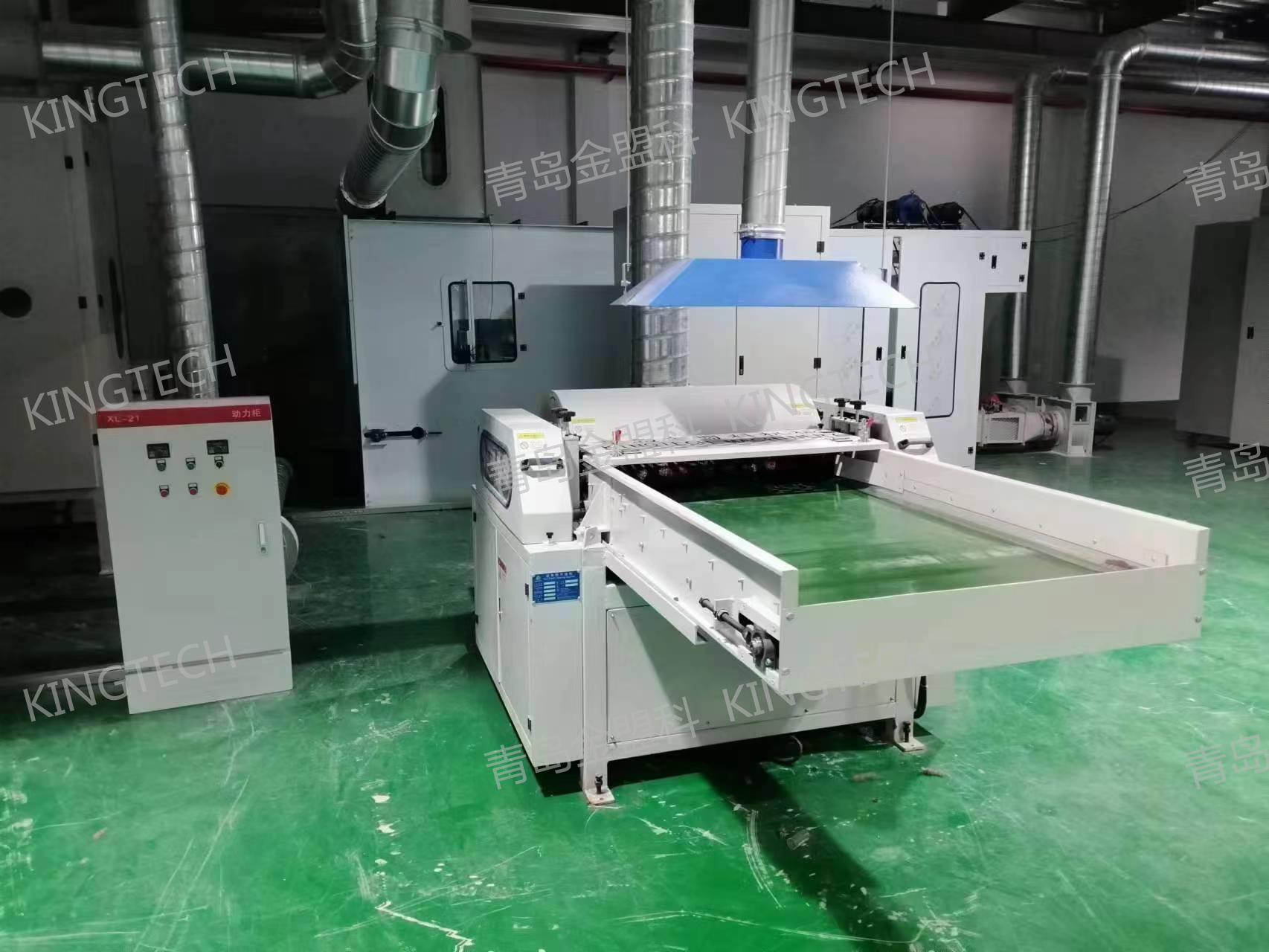
Small Textile Shredder vs. Large Industrial Shredder
A small textile shredder is not designed to replace a high-capacity industrial recycling line. Its value is in flexibility, lower space requirement, easier operation, and material preparation. For companies that are still testing recycling possibilities, this type of machine can help them understand how different fabrics behave before investing in larger equipment.
A small textile shredder is suitable when:
- The factory processes small batches.
- The material is used for testing.
- Workshop space is limited.
- The recycling line is still being planned.
- The company needs pre-cut material for an opener.
- Different materials need separate trials.
- The final capacity requirement is not very high.
A large industrial shredder or cutting machine is more suitable when the factory handles large daily volumes, continuous production waste, or heavy textile materials. The right choice depends on the actual production goal rather than only the machine name.
How It Fits Into a Recycling Process
A small textile shredder usually works as the first step in a textile waste recycling process. After the fabric is cut into smaller pieces, it can enter the next machine more smoothly.
A typical process may include:
- Textile waste is sorted by material type.
- Large pieces, old clothes, or fabric scraps are fed into the small textile shredder.
- The material is cut into smaller and more regular sizes.
- The cut pieces enter an opener or combined opener system.
- Fibers are opened and loosened.
- If needed, the fiber enters a carding machine or cleaning system.
- Recycled fiber is collected for reuse.
This process is especially useful for factories that want to reduce feeding problems before opening. The more stable the material size is, the easier it is to control the next processing step.
Why Cutting Size Matters
The cutting result has a direct influence on later recycling performance. If the pieces are too large, the opener may still face feeding pressure. If the pieces are too small, the fiber may be damaged or too short for some reuse applications. Therefore, the cutting size should be selected according to the following process.
For example, fabric waste used for basic filling material may tolerate shorter fiber and rougher cutting. But if the factory wants to recover better fiber for nonwoven production or further opening-carding, the cutting process should avoid unnecessary damage. A good small textile shredder should make the material easier to feed without destroying fiber value too early.
Benefits for Small Workshops and Test Lines
A small textile shredder is useful not only for recycling factories, but also for laboratories, nonwoven sample lines, textile research centers, and companies testing new recycled material applications.
Main benefits include:
- Lower labor work
It reduces manual cutting and makes material preparation faster and more consistent.
- Better feeding control
Smaller pieces are easier to feed into openers, carding machines, or test recycling lines.
- Flexible material testing
Different textile waste materials can be tested in small batches before building a complete recycling line.
- Reduced machine blockage
Pre-cut material lowers the risk of wrapping, clogging, or uneven feeding in the next process.
- Suitable for limited space
Small machines are easier to place in workshops or lab-type recycling areas.
About Kingtech Machinery
Kingtech Machinery provides textile waste recycling equipment for different material conditions and production needs. Its product range includes Cutting Machine, Edge Trim Opener, Combined Opener System, Opening-Carding System, Cotton Waste Recycling Line, laboratory recycling test lines, needle punching lines, blowers, metallic card clothing, and related accessories. For small-batch fabric waste preparation or recycling tests, cutting equipment can be used before opener or carding systems to make material feeding more stable and practical.
Conclusion
A Small Textile Shredder is a practical machine for cutting textile waste into smaller pieces before recycling. It is especially useful for small workshops, laboratories, sample testing, low-volume recycling projects, and factories that need better material preparation before opening.
By reducing old clothes, fabric scraps, cotton rags, nonwoven waste, and other textile materials into manageable sizes, the machine helps improve feeding stability, reduce blockage risk, and support smoother recycling. For buyers who are not ready for a full industrial recycling line, or who need to test different waste materials first, a small textile shredder can be a useful starting point.
FAQ
1. What is a Small Textile Shredder used for?
A Small Textile Shredder is used to cut old clothes, fabric scraps, rags, nonwoven waste, and other textile materials into smaller pieces before opening, carding, or recycling.
2. Is a small textile shredder suitable for industrial production?
It is more suitable for small batches, laboratories, sample testing, and low-volume recycling. For large continuous production, a larger cutting machine or full recycling line may be needed.
3. Can a small textile shredder turn fabric directly into fiber?
Not completely. Its main function is cutting or size reduction. To turn fabric into reusable fiber, the material usually needs to enter an opener, combined opener system, or opening-carding system after shredding.
4. What should buyers check before choosing a small textile shredder?
Buyers should check material type, thickness, feeding size, required cutting result, workshop space, safety needs, and whether the cut material will enter an opener or another recycling machine.
Post time: Jul-22-2026