




Textile recycling is not simply about collecting waste materials and processing them again. Before discarded fibers can be reused, they usually need to go through several preparation stages to improve their condition and make them suitable for further processing. Among these stages, edge trim opening plays an important role because it helps transform compact textile waste into a more workable fiber form.
During fabric production, large amounts of edge trim waste are generated from cutting and finishing processes. Although these materials still contain valuable fibers, they are often compressed, tangled, or closely connected due to previous manufacturing processes. Without proper opening treatment, it can be difficult to achieve stable fiber recovery and consistent recycled material quality.
The Challenge of Reusing Textile Edge Trim Waste
Textile edge trims may appear simple, but their structure can make recycling more complicated. Unlike loose fibers, edge trim waste often contains tightly connected fabric structures that require controlled mechanical treatment before the fibers can be effectively separated.
Several issues may affect the reuse process:
- Compact material structure:
Fabric edges produced during manufacturing may remain tightly connected, making it difficult for later equipment to access individual fibers effectively. Proper opening helps break down these structures while maintaining fiber integrity. - Uneven material conditions:
Different production processes generate edge trims with different thicknesses, fiber compositions, and levels of compression. Without suitable preparation, inconsistent materials can affect the stability of the recycling process. - Higher risk of fiber damage during processing:
If tightly connected waste materials are processed directly with excessive mechanical force, fibers may experience unnecessary stress. A controlled opening stage helps reduce the need for aggressive treatment later.
Therefore, edge trim opening is not simply a size reduction process. Its purpose is to improve the physical condition of textile waste so that valuable fibers can be recovered more effectively.
How Edge Trim Opening Prepares Materials for Fiber Recovery
The opening process can provide several important benefits:
- Improved fiber separation:
Edge trim materials often contain fibers that are held together by fabric structures. Controlled opening helps release these fibers gradually, allowing later processes to work more efficiently while reducing unnecessary fiber breakage. - More stable material flow:
Opened materials are generally easier to transport and feed into subsequent equipment. A more consistent material flow helps improve production stability, especially in continuous recycling systems. - Better utilization of textile waste:
When fibers are properly separated, more usable material can be recovered from textile waste. This helps improve resource utilization and reduces the amount of material lost during processing.
The effectiveness of opening depends on finding the right balance. Insufficient opening may leave materials difficult to process, while excessive mechanical action may reduce fiber quality. The goal is to achieve efficient separation while protecting valuable fibers.
The Relationship Between Opening Quality and Recycled Fiber Performance
The quality of recycled fibers is closely related to how textile waste is prepared before reuse. Opening is one of the key processes that influences fiber condition, cleanliness, and downstream processing performance. If edge trim waste is not opened properly, several problems may occur. Remaining fabric structures can affect fiber separation, reduce cleaning efficiency, and create unstable feeding conditions for later equipment. In applications requiring higher fiber quality, such as recycled yarn production, these issues can directly influence the final product performance.
However, stronger opening is not always better. Excessive mechanical treatment can shorten fibers and increase the amount of unusable material. A well-designed opening process should separate fibers effectively while minimizing unnecessary damage. This balance is especially important because recycled fibers often have already experienced mechanical stress during their original production and previous processing stages. Protecting fiber length and maintaining consistency are essential for improving reuse value.
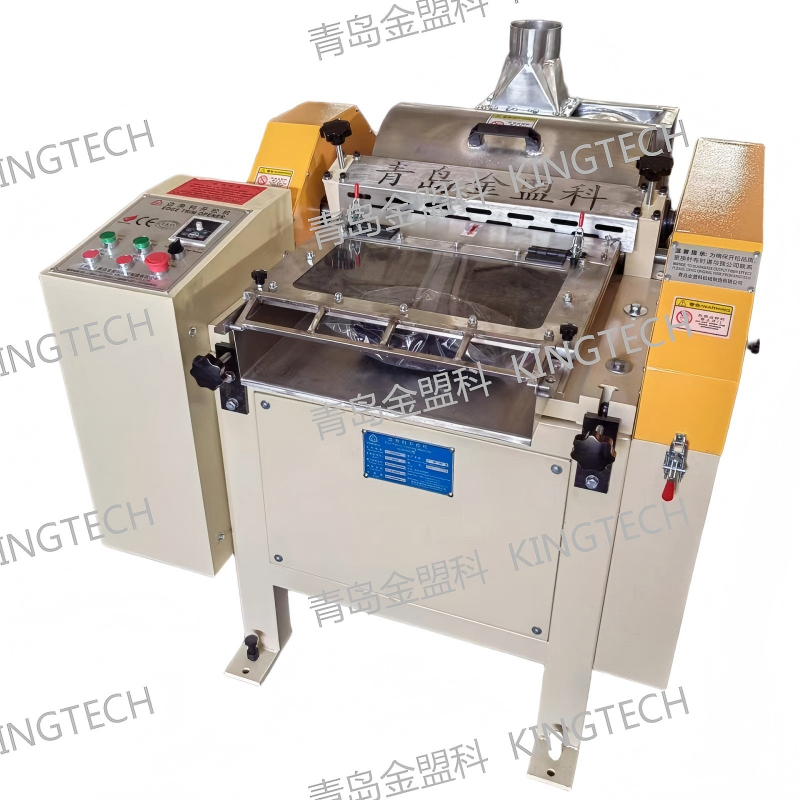
Why Edge Trim Opener Machine Is Suitable for Textile Recycling Lines
Modern textile recycling requires cooperation between different processing stages. An Edge Trim Opener Machine usually works as part of a complete recycling system rather than operating alone. In a typical recycling line, edge trim opening can be combined with cutting, cleaning, fiber separation, and other processing equipment. This allows each stage to focus on a specific task and creates a more controlled recycling workflow.
Compared with manual preparation methods, mechanical opening provides more consistent processing results and better supports continuous production. It can help reduce labor requirements, improve material handling, and maintain stable operation when processing larger volumes of textile waste. The actual configuration of the recycling system should depend on the characteristics of the incoming material. Different edge trim wastes may require different processing approaches based on fiber type, thickness, contamination level, and final application requirements.
Factors That Affect Edge Trim Opening Results
The performance of an opening process depends on several factors. Selecting suitable equipment and operating conditions requires consideration of both material characteristics and production goals.
- Material characteristics:
Different textile wastes have different structures and fiber properties. Cotton edge trims, blended fabrics, and other textile materials may respond differently during opening. Understanding the incoming material helps determine suitable processing methods. - Equipment configuration:
The design of the opening system and operating parameters influence how effectively materials are separated. Proper adjustment helps achieve a balance between opening performance and fiber protection. - Final application requirements:
Recycled fibers used for different purposes may have different quality expectations. Materials intended for spinning may require greater attention to fiber length, while other applications may focus more on consistent material preparation.
A successful recycling process depends on matching the opening method with the overall production objective rather than applying the same approach to every type of waste.
Applications of Edge Trim Opener Machine in Textile Recycling
Typical applications include:
- Garment production waste recycling:
Clothing manufacturers generate large amounts of edge trim waste during cutting operations. Opening equipment helps prepare these materials for further fiber recovery. - Textile factory waste processing:
Textile production facilities can use opening systems to improve the handling and reuse of accumulated fabric waste. - Cotton textile recycling:
Cotton-based edge trims can be processed before entering cleaning, carding, or fiber recovery stages. - Integrated recycling production lines:
In complete textile recycling systems, opening equipment works together with other machines to improve processing stability and material utilization.
Kingtech Factory provides textile recycling equipment solutions, including Edge Trim Opener Machine systems designed for textile waste processing. By matching equipment configuration with different material characteristics and recycling requirements, a more stable and efficient fiber recovery process can be developed.
Conclusion
Edge trim opening is an important step before textile fibers can be reused effectively. By loosening compact textile waste and improving fiber separation, an Edge Trim Opener Machine helps create better conditions for downstream recycling processes. The value of opening is not only measured by how much material is processed but also by how well fiber quality can be maintained. With suitable equipment selection and proper process control, textile waste can be converted into more valuable recycled fiber resources.
FAQs
1. What is the difference between an Edge Trim Opener Machine and other textile waste processing equipment?
An Edge Trim Opener Machine focuses on loosening fabric edge trims and improving fiber release rather than simply reducing material size. It is designed to prepare textile waste for further recycling processes where better material utilization and more stable processing are required.
2. Is an Edge Trim Opener Machine suitable for continuous industrial production?
Yes. Edge Trim Opener Machines are commonly used in textile recycling production lines and can be configured according to raw material types, processing capacity, and downstream requirements. Stable operation helps support continuous production and reduces variations caused by manual processing.
3. Should textile edge trims be sorted before using an Edge Trim Opener Machine?
It depends on the recycling requirements and the type of materials being processed. Different fiber compositions, colors, and fabric structures may influence the final recycling results. Proper material classification can help improve processing consistency and the quality of recycled fibers.
4. How can the service life of an Edge Trim Opener Machine be extended?
Regular maintenance is important for long-term operation. Checking key components, adjusting operating conditions according to different materials, and removing accumulated waste or impurities can help reduce downtime and maintain stable processing performance.
Post time: Oct-13-2026