




Fiber opening is an important stage in textile recycling and fiber processing. Before fibers can be reused, compressed textile waste, fabric scraps, and other fibrous materials need to be loosened and separated. However, the process does not always produce consistent results. Some materials may remain in dense clumps, while others may be broken into excessively short fibers.
Uneven opening can disrupt material flow, complicate downstream processing, and reduce the amount of usable fiber recovered. Understanding the causes helps operators improve performance without applying unnecessary mechanical force. A properly configured Fiber Opening Machine, combined with suitable material preparation and stable operating practices, can support more uniform separation while protecting fiber quality.
How Does Uneven Fiber Opening Affect Subsequent Processing?
Fiber opening must separate bundles sufficiently for further processing while preserving usable fiber length. If results vary across a batch, tightly entangled bundles may blend poorly or cause irregular feeding in downstream equipment. These variations can affect carding, blending, and other fiber preparation processes. Excessive opening is also a concern. Aggressive mechanical treatment can break fibers and produce short fibers or fine waste. The output may look well separated while yielding less reusable fiber. Effective opening therefore balances separation with fiber protection.
What Causes Uneven Fiber Opening?
Inconsistent Raw Material Characteristics
Textile waste varies in fiber composition, fabric construction, thickness, moisture content, and compression. Loosely woven cotton may separate more easily than tightly constructed or heavily compressed scraps, while blended fabrics may behave differently from single-fiber materials. When mixed materials enter a Fiber Opening Machine without suitable preparation, some may open effectively while others remain entangled. Sorting by fiber type, thickness, and processing characteristics helps reduce variation. Removing foreign objects and separating unusually dense materials before processing also creates more predictable conditions.
Unsuitable Machine Settings
A Fiber Opening Machine uses mechanical components to separate fibers. Performance depends on working speed, feed rate, component arrangement, and coordination between processing stages. If the opening action is too mild, dense bundles may remain. If it is too aggressive, fibers may break. Increasing speed or processing intensity does not automatically improve results. Settings should match the material and required output rather than remain identical for every type of textile waste.
Uneven Feeding and Material Accumulation
An inconsistent feed rate can affect opening quality. Too much material at once may overwhelm the opening components and accumulate in certain areas, creating dense clumps or irregular discharge. Unstable feeding also causes processing conditions to fluctuate, so some material may receive more mechanical treatment than other portions. To improve Fiber Opening Machine performance, maintain a steady material supply and keep the feed rate within the equipment’s intended capacity. Increasing throughput without considering material characteristics may create more processing problems instead of improving efficiency.
Worn or Contaminated Opening Components
Worn working surfaces may become less effective, while fibers, dust, and debris can interfere with material movement. Uneven component wear may cause different areas of the machine to process material differently, even when feed rate and settings appear normal. Routine inspection is essential. Checking for wear, cleaning accumulated material, and replacing damaged components when necessary can help maintain the opening performance and operating stability of a Fiber Opening Machine.
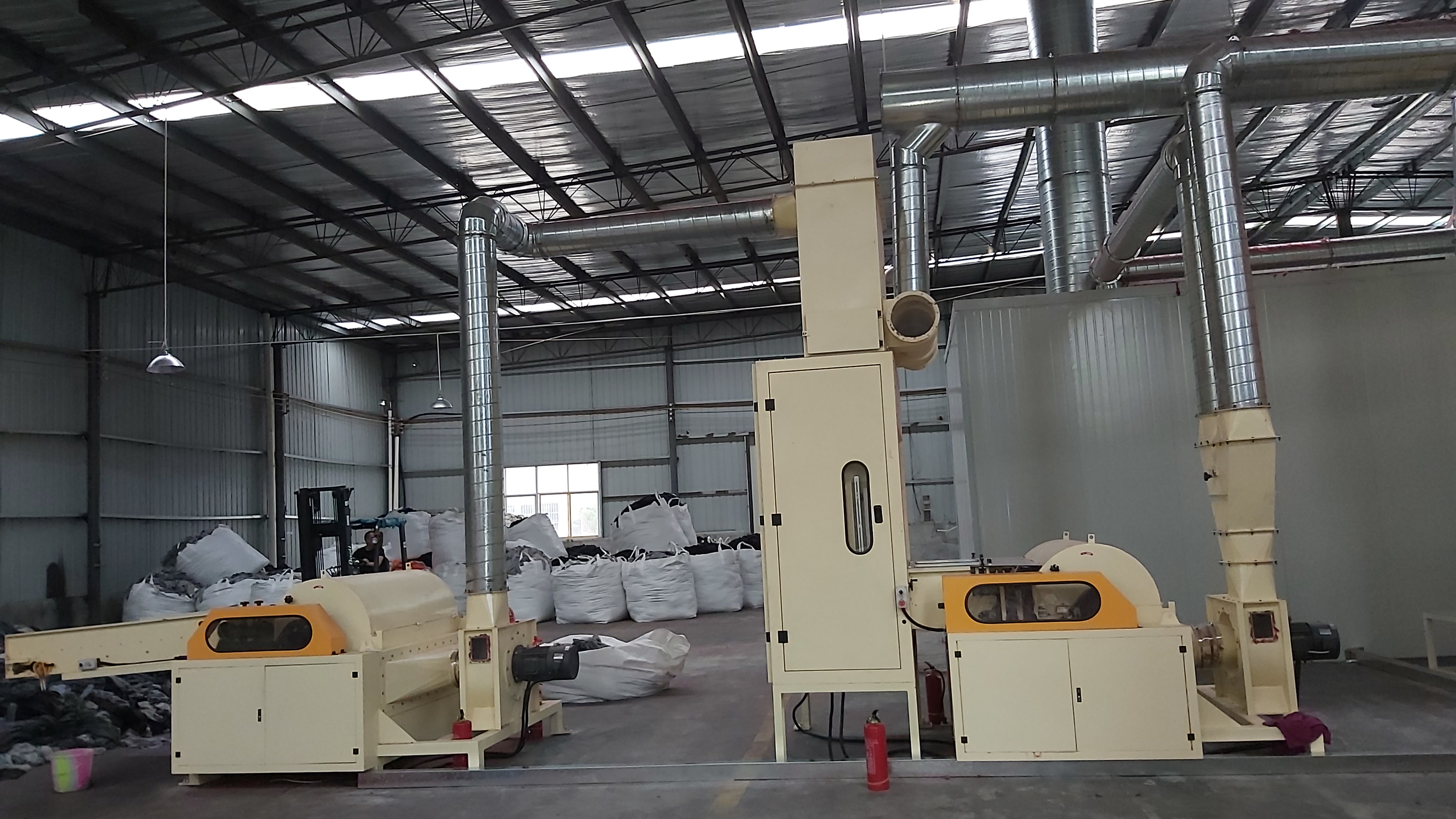
How Can Uneven Fiber Opening Be Corrected?
Correcting uneven opening starts with identifying the underlying cause rather than changing several settings at once. The following practices can help improve consistency and protect recovered fibers.
- Standardize the incoming material. Separate textile waste according to its composition, thickness, density, and processing difficulty. Where necessary, pre-cut oversized scraps or loosen heavily compressed material before feeding it into the machine. More consistent input makes stable output easier to achieve.
- Stabilize the feeding process. Check whether material enters continuously and evenly. Reduce overfeeding when dense bundles appear, and confirm that upstream equipment supplies material at a consistent rate. Adjustments should reflect actual machine performance and material characteristics.
- Adjust mechanical intensity gradually. If unopened clumps remain, assess whether the opening action is sufficient. If short fibers and fine waste increase, investigate whether treatment is too aggressive. Change one relevant parameter at a time and compare the results before making further adjustments.
- Inspect and maintain working components. Check for wear, fiber accumulation, blockages, and damage. Clean the equipment according to its maintenance instructions and ensure components remain properly aligned. Maintenance should be performed only after the machine has been safely stopped and isolated from its power source.
- Evaluate output consistently. Examine samples from different points in the production run. Compare unopened bundles, fiber length, visible fine waste, and discharge consistency. Recording observations helps operators determine whether an adjustment has genuinely improved performance.
These measures work best as part of a systematic process. Instead of repeatedly increasing speed, adjust the Fiber Opening Machine according to the condition of the incoming material and the quality of the discharged fibers.
How to Determine Whether the Opening Result Is Suitable
A suitable result depends on the application. Different recycling processes may require different degrees of separation, so evaluation should consider fiber condition and downstream requirements.
Several indicators can help assess performance:
- Fiber separation: Check whether large, tightly entangled bundles remain in the discharged material.
- Fiber integrity: Observe whether processing produces excessive short fibers or fine waste.
- Material consistency: Compare samples from different production periods to identify significant variation.
- Downstream performance: Determine whether the opened material feeds, blends, or undergoes subsequent processing more consistently.
No single indicator provides a complete picture. Material that looks loose may still contain excessive short fibers, while a slightly coarser opening result may be acceptable if the next stage can process it effectively.
When assessing a Fiber Opening Machine, aim for the level of separation required by the intended application rather than the maximum possible opening intensity. This helps balance material quality, fiber recovery, and processing efficiency.
Choosing a Fiber Opening Machine for Different Materials
When selecting a Fiber Opening Machine, consider the materials to be processed, their physical condition, required capacity, and the quality expectations for recovered fibers.
Textile scraps, cotton waste, blended fabrics, and other residues differ in how easily they separate. Equipment suitable for one material may require different settings or preparation for another. Consider how the opening machine will work with upstream cutting or feeding equipment and downstream fiber processing systems. A well-matched production line can help reduce material accumulation, inconsistent feeding, and unnecessary repeated processing. Before selecting equipment, clarify the expected output, the range of incoming materials, and the acceptable level of fiber damage. Testing representative samples, when available, can help determine whether the equipment and its configuration suit the intended application.
For businesses planning a textile recycling line, Kingtech Factory provides textile recycling equipment solutions, including Edge Trim Opener Machine systems for textile waste processing. Reviewing material characteristics and the requirements of each processing stage can help identify a suitable configuration and improve coordination throughout fiber recovery.
Conclusion
Uneven fiber opening can result from inconsistent raw materials, unsuitable machine settings, unstable feeding, or worn components. These issues may reduce downstream processing stability and increase fiber loss. By preparing materials consistently, maintaining a steady feed, adjusting mechanical intensity carefully, and monitoring output quality, operators can improve opening uniformity while protecting usable fibers. The most effective approach is to match machine operation to material characteristics and the requirements of the next processing stage.
FAQs
1. Can different textile materials be processed using the same Fiber Opening Machine?
This depends on the machine configuration and the characteristics of the materials. Different fiber types and fabric constructions may require different preparation methods or operating settings. Material testing and equipment suitability checks are recommended before processing a wide range of textile waste.
2. Why does fiber opening quality change during a production run?
Changes in material composition, feed volume, moisture conditions, component wear, or material accumulation can cause opening quality to fluctuate. Comparing samples collected at different times can help identify when the variation begins.
3. Is a higher opening speed always better?
No. Higher speed may improve separation under certain conditions, but it can also increase fiber damage, fine waste, or mechanical stress. The appropriate speed depends on the material, equipment design, and required output quality.
4. How often should a Fiber Opening Machine be inspected?
Inspection frequency should follow the equipment manufacturer’s recommendations and reflect operating intensity, material cleanliness, and production conditions. Regular checks for wear, blockages, abnormal noise, and inconsistent output can help identify developing problems before they cause major disruptions.
Post time: Oct-20-2026