




In modern textile recycling and waste processing industries, the ability to efficiently separate, open, and restore fiber structures from complex textile waste has become a critical requirement for manufacturers aiming to improve material recovery rates and reduce production costs. A defibering machine is an advanced industrial system designed to break down compacted textile waste into loose, reusable fibers, enabling higher-value reuse in downstream applications such as nonwoven production, insulation materials, and regenerated yarn processing.
For B2B recycling operators and textile manufacturers, this equipment represents a key technological step in transforming low-value waste streams into usable industrial raw materials while supporting large-scale circular economy systems.
What Is a Defibering Machine in Industrial Applications?
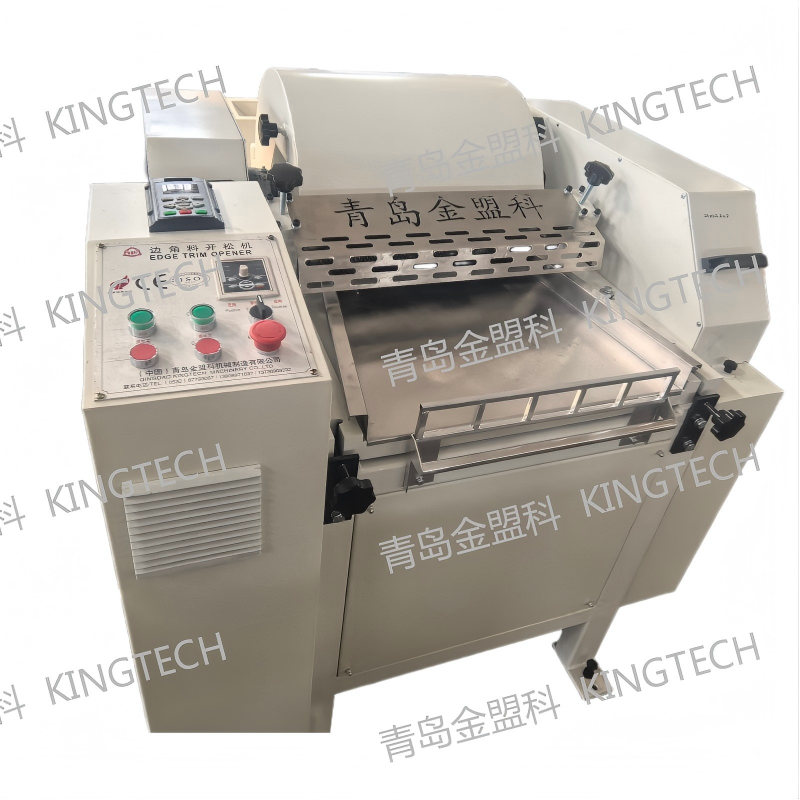
A defibering machine is an industrial fiber processing system that mechanically separates bonded or compacted textile materials into individual or semi-separated fibers through controlled mechanical action. Unlike simple cutting or shredding equipment, its primary objective is not size reduction but fiber structure restoration, making it particularly suitable for textile recycling environments where fiber usability is the final target.
This equipment is widely used in processing post-industrial and post-consumer textile waste, including cotton fabrics, synthetic textiles, mixed fiber materials, and nonwoven waste products that require further fiber refinement before reuse.
Core functional purposes include:
● Breaking down compact textile structures into loose fiber form suitable for reuse
● Restoring fiber separation in waste materials that have been compressed or bonded
● Preparing recycled fibers for carding, blending, or nonwoven production systems
● Improving fiber uniformity and usability for downstream industrial applications
● Supporting continuous fiber recycling production lines in large-scale operations
Why Is Fiber Defibering Technology Important in Modern Recycling Systems?
The increasing global demand for sustainable materials has placed significant pressure on textile manufacturers and recycling companies to develop efficient methods for recovering fibers from complex waste streams. Many textile wastes, especially post-consumer garments and industrial scraps, contain tightly bonded fiber structures that cannot be directly reused without proper defibering treatment.
Without this process, recycled materials often suffer from poor consistency, low quality, and limited application potential, which reduces their commercial value.
Key industry challenges driving demand include:
● Growing volumes of mixed textile waste requiring advanced fiber separation
● Increasing demand for high-quality recycled fiber in nonwoven and textile industries
● Need to reduce dependency on virgin fiber production and raw material costs
● Environmental regulations encouraging higher recycling efficiency rates
● Industrial shift toward circular production models in global textile supply chains
These factors have made defibering technology a critical component in modern fiber recovery systems.
How a Defibering Machine Works in Industrial Production
The working principle of a defibering machine is based on controlled mechanical opening and fiber separation, where textile waste is gradually processed through mechanical force to loosen fiber bonds without excessively damaging fiber length or quality.
The process is typically designed to ensure stable output quality while maintaining continuous industrial operation capability.
Standard working process includes:
● Feeding of textile waste materials into a controlled input system
● Initial loosening of compact fiber structures through mechanical opening mechanisms
● Progressive separation of fiber clusters into smaller and more uniform fiber segments
● Controlled agitation and mechanical action to improve fiber dispersion
● Output collection of defibered material ready for further processing
This structured workflow ensures that the output fibers are suitable for downstream applications such as carding, blending, or nonwoven manufacturing.
Types of Materials Suitable for Defibering Processing
Defibering machines are designed to handle a wide range of textile-based materials that require fiber recovery rather than simple size reduction, making them highly adaptable in industrial recycling environments.
Commonly processed materials include:
● Cotton textile waste and production scraps
● Polyester and synthetic fiber waste materials
● Blended fabric waste containing mixed fiber compositions
● Nonwoven fabric waste requiring fiber reactivation
● Post-industrial cutting waste from garment manufacturing
● Post-consumer textile waste such as used clothing and household fabrics
This versatility allows the machine to be integrated into multiple recycling system configurations.
Role of Defibering in Fiber Quality Improvement
One of the most important functions of a defibering machine is its ability to improve the usability of recycled fibers by enhancing separation quality and reducing fiber entanglement, which directly affects downstream processing performance.
Proper defibering ensures that recycled fibers maintain a more uniform structure, which is essential for achieving stable industrial production results.
Fiber quality improvements include:
● Improved fiber separation leading to more consistent material flow
● Reduction of fiber clumping and uneven distribution
● Enhanced compatibility with carding and spinning systems
● Increased usability in nonwoven and composite material production
● Better blending performance with virgin fibers in hybrid materials
These improvements significantly increase the commercial value of recycled fiber output.
Industrial Applications of Defibered Materials
Materials processed by defibering machines are widely used across multiple industrial sectors where fiber consistency and usability are critical for production performance.
Major application areas include:
● Nonwoven fabric manufacturing for hygiene and industrial products
● Automotive interior materials such as insulation and padding layers
● Furniture and bedding filling material production systems
● Thermal and acoustic insulation material manufacturing
● Industrial wiping and cleaning material production
● Textile reprocessing and fiber blending applications
These applications demonstrate the importance of defibering technology in supporting sustainable material ecosystems.
Integration into Complete Recycling Production Lines
In modern industrial recycling facilities, defibering machines are typically integrated into complete fiber recovery systems rather than operating as standalone equipment, ensuring a continuous and efficient production flow from waste input to usable fiber output.
Common system integration includes:
● Waste pre-cutting and size reduction systems
● Defibering machines for fiber separation and opening
● Dust removal and impurity separation units
● Carding systems for fiber alignment and refinement
● Fiber collection and baling systems for final output processing
This integration ensures maximum efficiency and consistent production quality.
Advantages for B2B Recycling and Manufacturing Operations
For industrial users, defibering machines offer both operational efficiency improvements and long-term economic benefits by increasing the value recovery rate of textile waste materials.
Key business advantages include:
● Higher fiber recovery rates from textile waste streams
● Improved quality consistency of recycled fiber output
● Reduced reliance on virgin fiber raw materials
● Increased efficiency in downstream manufacturing processes
● Enhanced automation compatibility for industrial recycling systems
● Strong alignment with sustainability and environmental compliance goals
These benefits make defibering systems a strategic investment in modern recycling operations.
Conclusion
A defibering machine plays a crucial role in modern textile recycling systems by converting compact and complex textile waste into usable fiber materials through controlled mechanical separation processes. By improving fiber quality, increasing recovery efficiency, and enabling integration into large-scale production systems, this equipment supports the development of sustainable and cost-effective industrial recycling operations.
For B2B manufacturers and recycling enterprises, defibering technology represents a foundational solution for building efficient fiber recovery systems and advancing toward circular textile production models.
FAQ
1. What is the main function of a defibering machine?
It is used to separate and loosen compact textile waste into usable fibers suitable for recycling and further industrial processing.
2. What types of materials can be processed?
It can process cotton waste, polyester fabrics, blended textiles, nonwoven waste, and post-consumer textile materials.
3. How is a defibering machine different from a cutting or shredding machine?
Cutting or shredding machines reduce size, while defibering machines focus on restoring fiber structure and improving usability.
4. Can defibering machines be used in full recycling production lines?
Yes, they are commonly integrated into complete fiber recycling systems together with opening, carding, and cleaning equipment.
Post time: Jun-02-2026