




A Cotton Waste Recycling Machine is used to process waste cotton, used quilts, cotton rags, linen waste, and other cotton-based textile waste into reusable fiber. For recycling factories, spinning preparation plants, and textile waste processing workshops, this machine is not only about opening waste material. More importantly, it helps decide whether the recovered fiber can be clean, soft, stable, and suitable for the next production process.
Many buyers search for a cotton waste recycling machine because they want to reduce material waste, reuse cotton fiber, or build a recycling line for old textile materials. However, different waste cotton materials behave very differently during processing. Some are loose and clean, while others are compacted, dusty, mixed, or difficult to open. This is why buyers should not choose a machine only by price or capacity. The right machine configuration should match the raw material, target fiber quality, and factory production plan.
Why Cotton Waste Recycling Is Different From General Fabric Recycling
Cotton waste is not the same as ordinary fabric scraps. It may come from textile production, old quilts, used bedding, cotton rags, garment waste, or linen materials. Some cotton waste still keeps a relatively soft fiber structure, while some is pressed, sewn, dusty, or mixed with other textile materials.
If the material is not processed correctly, several problems may appear:
- The fiber may remain clumped.
- Dust and impurities may stay inside the material.
- Output fiber may be too uneven.
- The machine may be overloaded.
- Recycled fiber may not meet reuse requirements.
- Production may become unstable.
A suitable cotton waste recycling machine should solve these problems step by step. It needs to open the compacted material, loosen the fiber, remove part of the impurities, and prepare the recovered fiber for possible reuse.
Material Condition Comes First
Before choosing a cotton waste recycling machine, buyers should first check the actual material condition. This is more important than simply asking for a standard model.
Important material questions include:
- Is the material waste cotton, used quilts, rags, linen, or mixed cotton waste?
- Is the material loose or highly compacted?
- Does it contain dust, short impurities, or hard objects?
- Is the material dry and clean enough for processing?
- Does the factory want fiber for spinning, nonwoven production, or filling?
- Is the expected output focused on softness, cleanliness, or capacity?
For example, cleaner waste cotton may need fewer cleaning stages, while used quilts and mixed rags usually require stronger opening and more cleaning. If the raw material is heavy and compacted, one opener may not be enough. In that case, two openers or additional cleaners may be more suitable.
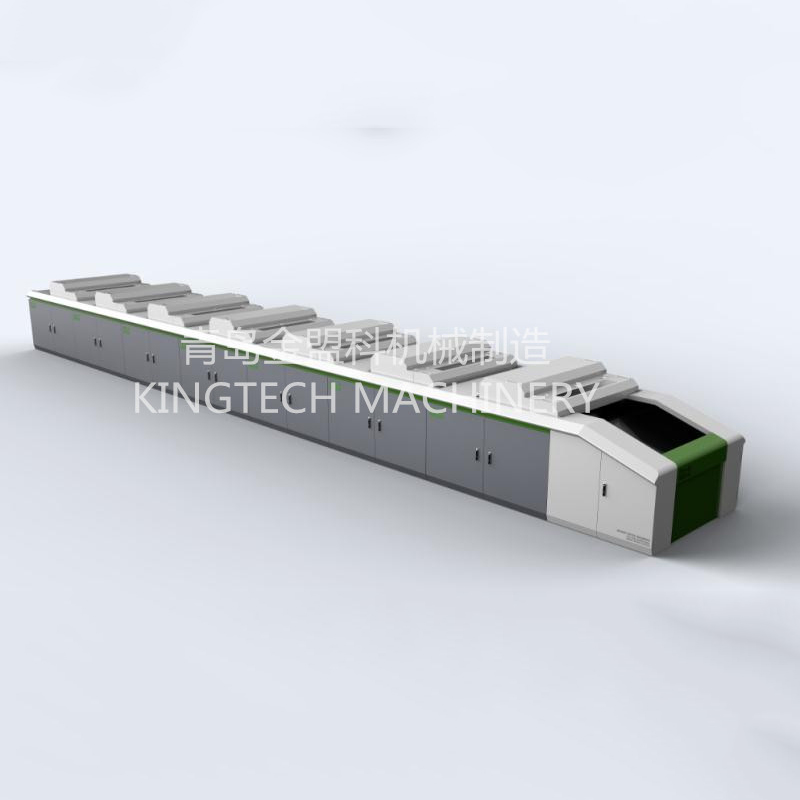
Openers and Cleaners Work Together
A cotton waste recycling machine is often designed as Openers Combined With Cleaners. This means the system does not rely on only one machine to complete the whole process. The opener and cleaner sections work together to improve the fiber condition.
The opener section is responsible for tearing and loosening the waste cotton. It helps break down compacted materials and separates the fiber structure. The cleaner section continues to process the opened material, helping remove dust, small impurities, and remaining clumps.
This combination is important because cotton waste needs both opening and cleaning. If only opening is used, the fiber may become loose but still dirty. If cleaning is not enough, the recovered fiber may have limited reuse value.
Capacity Should Match Real Production
Many buyers care about production capacity, but capacity should be understood together with material condition. A cotton waste recycling machine may have a production range of about 200–350 kg per hour, but the actual output can change according to the material.
Factors that affect capacity include:
- Material type
- Moisture and dust level
- Feeding stability
- Opener and cleaner configuration
- Required final fiber quality
- Operator experience
- Maintenance condition
If the factory only focuses on maximum output, the final fiber quality may not be stable. For recycling production, a balanced speed is often better than forcing the machine to run at the highest capacity. Stable feeding and proper configuration can help protect the machine and improve the recovered fiber result.
Safety and Dust Control Matter
Cotton waste processing can create dust and loose fibers during opening and cleaning. If the workshop does not manage dust properly, the working environment may become difficult to control. In addition, textile waste may create safety risks during high-speed processing.
For this reason, a good cotton waste recycling machine should consider safety and workshop management. Fire or smoke detection can help improve production safety, while dust collection or dust removal systems can reduce floating fiber and keep the workshop cleaner.
Important safety and operation points include:
- Fire or smoke detection
- Stable feeding system
- Dust collection support
- Regular cleaning and maintenance
- Proper operator training
- Checking for hard foreign objects before feeding
These details may not look as attractive as machine capacity, but they are very important for long-term operation.
Applications of Recycled Fiber
The fiber processed by a cotton waste recycling machine can be used in many recycling applications, but the final use is not fixed. It depends on the cleanliness of the raw material, fiber length, opening effect, and cleaning result. After proper opening and impurity removal, waste cotton fiber becomes looser, softer, and easier to use in the next production process. For recycling factories, the value of the machine is not only to “open waste cotton,” but also to make the recovered fiber stable enough for reuse.
Common applications include:
- OE spinning / rotor spinning: When the recovered fiber has good cleanliness and consistency, it can be used in some spinning preparation applications, helping improve the reuse value of waste cotton materials.
- Nonwoven fabric production: Recycled fiber can be used for needle-punched nonwoven fabrics, filling-type nonwoven products, or other low-cost nonwoven materials, especially where raw material cost control is important.
- Filling materials: Softer and fluffier recycled fiber can be used for mattresses, quilts, cushions, furniture padding, and similar products, allowing waste cotton to re-enter consumer or industrial product supply chains.
- Needle-punched products: Opened fiber can be used in some needle-punched felts, insulation materials, sound-absorbing materials, or industrial pads.
- Industrial textile products: For applications that do not require high-grade yarn quality, recycled fiber can be used as an economical raw material for cleaning cloths, packaging liners, cushioning materials, or other industrial uses.
- Low-cost recycled fiber applications: When the raw material quality is relatively ordinary, the recovered fiber can still be used in products with lower requirements for fiber length and cleanliness, helping factories reduce waste accumulation and improve material utilization.
About Kingtech Machinery
Kingtech Machinery provides textile waste recycling equipment for different materials and production needs. Its product range includes Cotton Waste Recycling Line, Edge Trim Opener, Combined Opener System, Opening-Carding System, Cutting Machine, laboratory recycling test lines, needle punching lines, blowers, metallic card clothing, and related accessories. For cotton waste, used quilts, rags, and linen materials, the Cotton Waste Recycling Line with openers and cleaners can be selected according to material condition, target capacity, and required fiber quality.
Conclusion
A Cotton Waste Recycling Machine is an important solution for factories that want to reuse waste cotton and cotton-based textile materials. However, the right machine is not only decided by output or price. Buyers should check the raw material type, opening difficulty, cleaning requirement, safety design, dust control, and final fiber application before choosing a system.
With suitable openers and cleaners, waste cotton, used quilts, rags, and linen materials can be processed into softer and cleaner regenerated fiber. When the machine configuration matches the real production need, cotton waste recycling becomes more stable, efficient, and valuable for long-term operation.
FAQ
1. What materials can a Cotton Waste Recycling Machine process?
A Cotton Waste Recycling Machine can process waste cotton, used quilts, cotton rags, linen waste, and other cotton-based textile waste materials.
2. Why does cotton waste need both opening and cleaning?
Opening loosens compacted cotton waste, while cleaning helps remove dust, impurities, and remaining fiber clumps. Both steps are important for improving recovered fiber quality.
3. What capacity can a cotton waste recycling machine reach?
The production capacity is usually about 200–350 kg per hour, but the actual output depends on material type, feeding condition, machine configuration, and required fiber quality.
4. How should buyers choose the right machine configuration?
Buyers should consider raw material condition, target fiber quality, production capacity, number of openers and cleaners, dust control, safety design, and final application of the recycled fiber.
Post time: Jul-14-2026