




The global textile industry produces millions of tons of discarded garments every year, creating significant challenges for waste management companies, textile manufacturers, and recycling facilities. As environmental regulations become stricter and sustainability goals become more important, businesses are searching for efficient ways to transform used clothing into reusable resources rather than sending them to landfills.
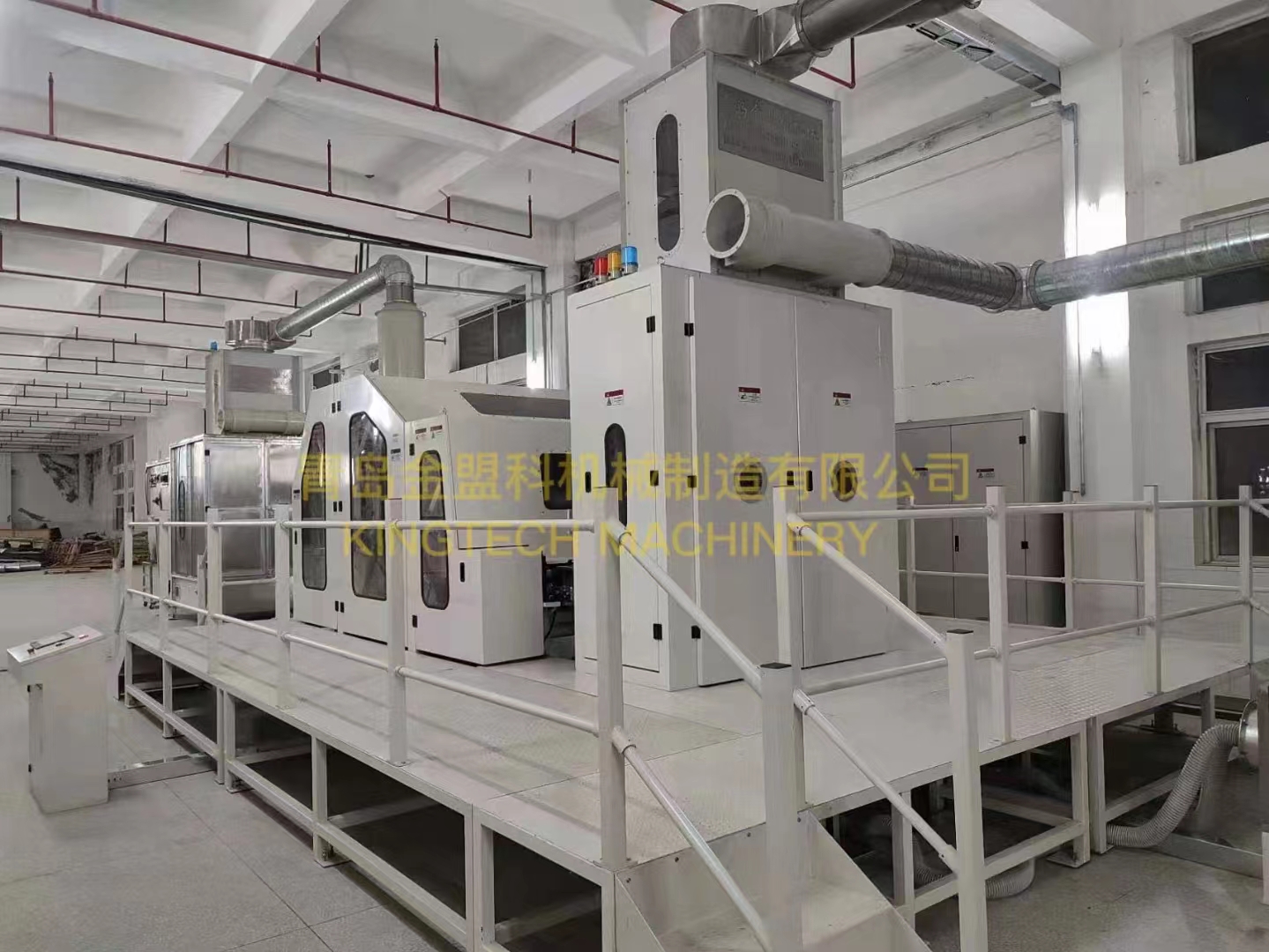
A Recycling Clothes Machine provides an industrial solution for processing old garments, textile scraps, factory waste, and post-consumer clothing into valuable recycled fibers. By converting waste textiles into reusable raw materials, these machines help manufacturers reduce environmental impact while creating new opportunities for material recovery and resource utilization.
Growing Challenges of Clothing Waste Around the World
The rapid growth of the fashion and textile sectors has led to a dramatic increase in discarded clothing. Large volumes of garments are replaced every year, and many of them still contain fibers that can be recovered and reused.
Traditional disposal methods are becoming less practical because they create environmental concerns and waste valuable materials that could otherwise be reintroduced into industrial production.
Common sources of recyclable clothing waste include:
● Used clothing collected from households and donation centers
● Unsold inventory from retailers and fashion brands
● Production scraps generated during garment manufacturing
● Defective garments removed during quality inspection
● Textile waste from hotels, hospitals, and commercial laundries
● End-of-life uniforms and workwear from industrial sectors
These materials represent an important resource for recycling companies equipped with modern processing technology.
What Does a Recycling Clothes Machine Do?
A Recycling Clothes Machine is designed to transform old garments and textile waste into reusable fibers through a series of mechanical processes. Instead of simply destroying the material, the machine separates and loosens textile structures so that valuable fibers can be recovered for further applications.
The system can process a wide range of textile materials and support large-scale recycling operations.
Main processing functions include:
● Reducing bulky clothing waste into manageable materials
● Opening fabric structures to release reusable fibers
● Separating compact textile layers during processing
● Improving material consistency for downstream production
● Preparing fibers for carding, nonwoven manufacturing, or filling applications
● Supporting continuous industrial recycling operations
The result is a more efficient recycling workflow that maximizes material recovery.
How Recycling Clothes Machines Support Circular Economy Goals
Many governments and global brands are promoting circular economy initiatives to reduce textile waste and improve sustainability. Recycling clothes machines play a central role in this transformation because they help keep textile materials in use for longer periods.
Instead of extracting new raw materials for every production cycle, manufacturers can recover existing fibers and use them again in various industrial applications.
Circular economy benefits include:
● Reduced landfill waste from discarded garments
● Lower consumption of virgin textile fibers
● Improved resource utilization throughout the supply chain
● Reduced environmental impact associated with textile production
● Support for sustainable manufacturing programs
● Increased value recovery from waste materials
As sustainability becomes a major purchasing factor, recycled materials are gaining importance across global markets.
Types of Clothing Materials Suitable for Recycling
Modern recycling equipment is capable of processing many different types of garments and textile products, making it suitable for diverse recycling operations.
Common materials include:
● Cotton T-shirts and cotton garments
● Denim products and jeans waste
● Polyester clothing and synthetic textiles
● Blended fabric garments
● Sportswear and casual apparel
● Bedding products and household textiles
● Industrial uniforms and protective clothing
This flexibility allows recycling facilities to handle various waste streams using a single processing system.
Importance of Fiber Recovery Quality
The value of recycled textile materials depends heavily on fiber quality. If fibers are excessively damaged during processing, their potential applications become limited.
Advanced recycling clothes machines are designed to maintain fiber integrity while effectively separating textile structures.
High-quality fiber recovery provides:
● Better performance in nonwoven manufacturing
● Improved blending with virgin fibers
● Higher consistency in recycled material production
● Greater flexibility for industrial applications
● Enhanced commercial value of recycled fibers
Maintaining fiber quality is often one of the most important objectives in textile recycling operations.
Industries Benefiting from Recycled Clothing Fibers
Recovered fibers can be used in many industries beyond traditional textile manufacturing. This broad range of applications increases demand for efficient recycling equipment.
Major application sectors include:
● Nonwoven fabric manufacturing
● Furniture and mattress filling production
● Automotive insulation and interior materials
● Acoustic and thermal insulation products
● Construction-related fiber materials
● Industrial cleaning and wiping products
● Sustainable textile manufacturing projects
These industries continue to expand as recycled materials become more widely accepted.
Advantages for Textile Recycling Facilities
Recycling clothes machines offer significant operational advantages for businesses involved in waste management and fiber recovery.
Key business benefits include:
● Increased processing capacity for textile waste
● Reduced manual labor requirements
● Improved recycling efficiency and output consistency
● Enhanced profitability through material recovery
● Better compliance with environmental regulations
● Greater competitiveness in sustainable markets
These benefits help recycling companies meet growing demand while improving operational performance.
Future Trends in Clothing Recycling Technology
As textile recycling becomes more important globally, recycling equipment continues to evolve to meet higher efficiency and quality requirements.
Emerging industry trends include:
● Smart monitoring systems for production optimization
● Automated material feeding and sorting technologies
● More energy-efficient machine designs
● Improved fiber recovery and cleaning systems
● Greater integration with digital manufacturing platforms
● Enhanced processing capabilities for mixed-fiber garments
These innovations are expected to further increase recycling rates and improve material recovery quality.
Conclusion
A Recycling Clothes Machine has become an essential solution for businesses seeking to convert discarded garments into valuable industrial resources. By recovering reusable fibers from old clothing and textile waste, these machines help reduce landfill dependence, improve sustainability performance, and create new opportunities for material reuse.
For recycling companies, textile manufacturers, and waste management operators, investing in advanced clothing recycling technology is an effective way to support circular economy initiatives while maximizing the value of textile waste streams.
FAQ
1. What materials can a Recycling Clothes Machine process?
A Recycling Clothes Machine can process used clothing, cotton garments, denim, polyester fabrics, blended textiles, household textiles, uniforms, and various textile production wastes.
2. What is the final output of a Recycling Clothes Machine?
The machine typically produces loose recycled fibers that can be used in nonwoven fabrics, filling materials, insulation products, and other industrial applications.
3. Can the machine handle post-consumer clothing?
Yes, modern recycling clothes machines are designed to process post-consumer garments as well as post-industrial textile waste.
4. Why is fiber recovery important in textile recycling?
High-quality fiber recovery increases the value of recycled materials, improves downstream processing performance, and expands the range of applications for recycled fibers.
Post time: Jun-04-2026