




In modern textile manufacturing, cotton fabric waste has become a significant by-product that requires efficient and sustainable treatment, especially as global production volumes continue to increase and environmental regulations become stricter across major markets. A Cotton Fabric Waste Recycling Machine is designed to transform cotton-based textile waste into reusable fiber materials that can be reintegrated into industrial production systems, supporting both cost reduction and circular economy development.
For B2B textile manufacturers, recycling plants, and nonwoven material producers, this type of equipment plays a critical role in converting cutting waste, leftover fabrics, and post-production cotton scraps into valuable raw materials suitable for secondary processing.
What Is a Cotton Fabric Waste Recycling Machine?
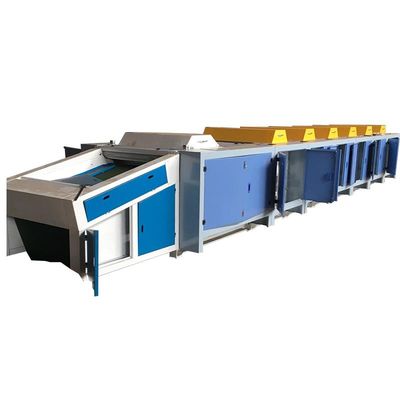
A Cotton Fabric Waste Recycling Machine is an industrial system specifically engineered to process cotton-based textile waste into fiber form through controlled mechanical opening, loosening, and impurity separation processes, ensuring that waste materials are effectively converted into reusable fibers rather than being disposed of as landfill waste.
Unlike general-purpose shredding equipment that only reduces material size, this machine focuses on fiber preservation and structural recovery, which makes the output more suitable for downstream applications such as nonwoven production, stuffing materials, and regenerated textile manufacturing.
Core processing capabilities include:
● Converting cotton fabric waste into reusable loose fiber structures suitable for industrial reuse
● Breaking down compacted textile waste while maintaining fiber integrity for higher material value
● Removing impurities such as dust, threads, and minor foreign particles during processing stages
● Preparing recycled cotton fibers for blending with virgin fibers or secondary production systems
● Supporting continuous industrial operation in large-scale textile recycling environments
Why Cotton Fabric Waste Recycling Has Become Essential in Textile Industry
Cotton fabric waste is generated at multiple stages of textile production, including cutting processes, quality rejection, leftover roll materials, and garment manufacturing waste, which collectively create a large volume of recyclable material that is often underutilized without proper recycling systems in place.
With increasing raw material costs and sustainability expectations from global buyers, manufacturers are now prioritizing internal waste recovery systems to improve resource efficiency and reduce operational losses.
Key industry drivers include:
● Rising cost of raw cotton materials increasing demand for recycled alternatives
● Stricter environmental regulations requiring waste reduction and recycling compliance
● Growing global demand for sustainable textile products across multiple industries
● Expansion of circular economy models in textile manufacturing supply chains
● Pressure from international buyers for eco-friendly production and material traceability
These factors have accelerated the adoption of cotton waste recycling machinery across both small and large manufacturing facilities.
How Cotton Fabric Waste Recycling Machine Works
The working process of a cotton fabric waste recycling machine is based on multi-stage mechanical treatment, designed to gradually transform fabric waste into usable fiber while minimizing fiber damage and maintaining output consistency.
Typical working process includes:
● Feeding of cotton fabric waste into a controlled input system designed for continuous processing
● Mechanical opening of compact fabric structures to loosen tightly bound cotton fibers
● Gradual separation of layered textile materials into smaller fiber clusters for improved processing efficiency
● Impurity removal through airflow or mechanical cleaning mechanisms to improve fiber purity
● Final fiber output collection in a form suitable for reuse in downstream industrial applications
This structured process ensures that cotton waste is not simply destroyed but systematically converted into usable raw materials.
Types of Cotton Waste Suitable for Recycling
Cotton fabric waste recycling machines are designed to handle a wide range of cotton-based materials generated in textile production and post-manufacturing environments, making them highly adaptable for different industrial applications.
Common materials include:
● Cotton cutting waste from garment manufacturing processes
● Leftover cotton fabric rolls and edge trims
● Defective or rejected cotton textile products
● Post-production fabric scraps from textile factories
● Mixed cotton-based industrial textile waste
● Household or commercial cotton textile waste in recycling operations
This versatility allows recycling facilities to process both clean production waste and more complex mixed cotton waste streams.
Importance of Fiber Quality in Cotton Recycling Systems
In cotton fabric waste recycling, fiber quality directly determines the usability and commercial value of the final output, as poorly processed fibers may contain excessive clumps, uneven structures, or impurities that reduce their performance in industrial applications.
Modern recycling machines are engineered to optimize fiber recovery while maintaining structural integrity to ensure consistent quality output suitable for industrial reuse.
Fiber quality improvements include:
● More uniform fiber separation resulting in stable processing performance
● Reduced fiber clumping and improved material consistency
● Enhanced softness and usability for nonwoven and filling applications
● Improved blending compatibility with virgin cotton fibers
● Higher efficiency in downstream textile manufacturing processes
High-quality recycled cotton fiber significantly improves production stability in multiple industrial applications.
Industrial Applications of Recycled Cotton Fibers
Cotton fabric waste recycling machines produce fiber materials that can be reused across multiple industries where fiber-based raw materials are required for manufacturing and product development.
Major application areas include:
● Nonwoven fabric production systems requiring consistent fiber input
● Furniture and mattress filling material manufacturing industries
● Automotive interior padding and insulation material production
● Industrial wiping cloth and cleaning material manufacturing
● Thermal insulation and soundproofing material production systems
● Recycled textile product development and fiber blending applications
These applications contribute significantly to reducing reliance on virgin cotton materials.
Role in Circular Textile Manufacturing Systems
The cotton fabric waste recycling machine plays an important role in supporting circular manufacturing systems where textile waste is continuously reused instead of being discarded, creating a closed-loop production model that improves resource efficiency.
Contributions to circular economy include:
● Reducing textile waste sent to landfill and incineration systems
● Extending lifecycle of cotton fibers through repeated reuse cycles
● Lowering dependency on virgin cotton production and raw material extraction
● Supporting environmentally responsible textile manufacturing practices
● Enhancing sustainability performance of textile supply chains
This makes recycling machinery a critical component in modern textile industry transformation.
Advantages for B2B Manufacturing Operations
For industrial users, cotton fabric waste recycling machines provide both operational efficiency improvements and long-term economic advantages, especially in large-scale production environments where waste volume is significant.
Key advantages include:
● Increased capacity for processing large volumes of cotton fabric waste
● Reduced raw material costs through internal recycling systems
● Improved production efficiency with automated fiber recovery processes
● Lower environmental compliance risks through structured waste management
● Enhanced competitiveness in international textile markets
● Stable fiber output quality suitable for continuous manufacturing use
These advantages make recycling equipment a strategic investment for manufacturers.
Conclusion
Cotton Fabric Waste Recycling Machine provides an efficient industrial solution for converting cotton textile waste into reusable fiber materials, supporting sustainable production systems and improving resource utilization in modern textile manufacturing. By enabling effective fiber recovery from production waste, this equipment helps manufacturers reduce costs, improve environmental performance, and strengthen their position in the global sustainable textile market.
For B2B textile producers and recycling enterprises, this machine represents a practical and scalable solution for building long-term circular production systems while meeting increasing industry demands for sustainability and efficiency.
FAQ
1. What types of cotton waste can this machine process?
It can process cotton cutting waste, fabric scraps, leftover rolls, rejected textile products, and mixed cotton-based industrial waste.
2. How is this machine different from a simple shredder?
Unlike shredders that only reduce material size, this machine focuses on fiber recovery and maintains cotton fiber structure for reuse in industrial applications.
3. What industries commonly use recycled cotton fibers?
Recycled cotton fibers are widely used in nonwoven production, furniture filling, automotive interiors, insulation materials, and industrial cleaning products.
4. Can this machine support continuous industrial production?
Yes, it is designed for continuous operation and can be integrated into complete recycling lines for large-scale textile waste processing.
Post time: May-26-2026