




In textile recycling, the first challenge is not only opening waste cotton, but also making the recycled fiber clean enough for the next production step. Openers Combined With Cleaners are designed for this purpose. This machine group can open, tear, loosen, and clean waste cotton or other textile waste materials, helping factories turn used textile waste into softer and more usable regenerated fiber.
For businesses involved in cotton recycling, spinning preparation, nonwoven production, or textile waste processing, choosing the right cotton waste recycling machine can directly affect fiber quality, production efficiency, labor cost, and final product value. Instead of relying on a single opener, a combined system with several cleaners can process waste materials more evenly and remove impurities more effectively.
What Are Openers Combined With Cleaners?
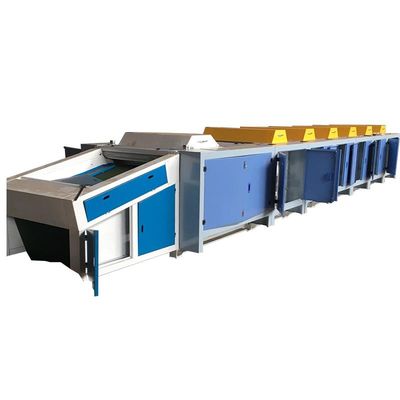
Openers Combined With Cleaners are a complete cotton waste recycling machine group used to process waste cotton, used quilts, rags, linen, and other textile waste materials. The opener section tears and loosens compacted materials, while the cleaner sections further separate fibers and remove dust, short impurities, and unwanted particles.
This type of machine is especially suitable when the raw material is mixed, compacted, dirty, or difficult to open by hand. After processing, the waste cotton becomes softer, cleaner, and easier to reuse in the next stage of production.
Common processed materials include:
- Waste cotton from textile production
- Used quilts and old bedding materials
- Cotton rags and garment waste
- Linen waste and mixed textile scraps
- Recycled fiber materials for spinning preparation
For recycling factories, this machine group helps improve raw material utilization and supports a more sustainable textile production process.
Working Principle of Cotton Waste Recycling Machine
The machine works by using high-speed rollers fitted with metallic wire clothing. When waste cotton enters the machine, the roller teeth catch, open, and tear the compacted material into smaller fiber layers. Under the centrifugal force created by high roller speed, fibers are loosened, separated, and discharged more evenly.
During this process, impurities are gradually separated from the fiber. The cleaner units continue to open and clean the material step by step, so the final regenerated fiber becomes softer and more suitable for reuse.
The main working process usually includes:
- Feeding waste cotton or textile waste into the opener
- Opening and tearing compacted materials through high-speed rollers
- Separating fibers with metallic wire clothing
- Cleaning dust and impurities through cleaner sections
- Discharging softer and cleaner regenerated fiber
Compared with simple manual sorting or single-machine opening, a combined opener and cleaner system provides more stable output and better fiber preparation quality.
Flexible Machine Groups for Different Materials
Different textile waste materials have different characteristics. Some waste cotton is loose and easy to open, while used quilts or rags may be thicker, more compacted, or mixed with more impurities. For this reason, the machine group can be configured according to the actual raw material condition.
Common configurations include:
- One opener working with four cleaners
- One opener working with six cleaners
- One opener working with eight cleaners
- Two openers working with four cleaners
- Two openers working with six or eight cleaners
A simpler machine group may be enough for cleaner cotton waste, while a stronger configuration is more suitable for heavily compacted materials, used quilts, or mixed rags. This flexible design allows factories to choose a practical production line based on material type, desired fiber quality, and production capacity.
Key Features of Openers Combined With Cleaners
A good cotton waste recycling machine should not only open fibers, but also help maintain safety, efficiency, and long service life. Openers Combined With Cleaners are designed with several important features for textile recycling production.
Main features include:
- High-speed opening and tearing
The machine uses roller speed and centrifugal force to open waste cotton effectively, making the material softer and easier to reuse.
- Metallic wire clothing
The rollers are clothed with metallic wire, which helps catch, tear, and separate fibers more efficiently during continuous operation.
- Fire and smoke detector
Textile waste may contain dust or hidden risks during high-speed processing, so the fire and smoke detection system helps improve production safety.
- Flexible cylinder diameter
The cylinder diameter can be 500mm or 600mm, allowing different machine structures for different processing needs.
- Different working widths
Working width options of 1000mm and 1300mm make the equipment suitable for different factory layouts and capacity requirements.
- Stable production capacity
The production output can reach about 200–350 kg per hour, depending on raw material type, machine configuration, and operating conditions.
Why Cleaner Regenerated Fiber Matters for Spinning
Regenerated fibers for spinning need to be soft, loose, and relatively clean. If the fiber remains compacted or contains too many impurities, it may affect the stability of the spinning process and the quality of the final yarn. That is why opening and cleaning are important steps before reuse.
A combined opener and cleaner system can help improve:
- Fiber looseness
- Material cleanliness
- Feeding stability for the next process
- Recycled fiber value
- Overall production continuity
For factories that want to process waste cotton into regenerated fiber for spinning, the quality of the opening and cleaning process is especially important. Better preparation can reduce material waste and improve the usability of recycled cotton.
Applications in Textile Waste Recycling
Openers Combined With Cleaners are widely used in recycling workshops and textile processing plants where waste materials need to be reused instead of discarded. The machine group is practical for factories that process large amounts of textile waste every day.
Typical application areas include:
- Cotton waste recycling
- Used quilt recycling
- Rag and garment waste processing
- Linen waste opening and cleaning
- Regenerated fiber preparation
- Spinning material preparation
- Nonwoven raw material processing
As more textile companies pay attention to cost control and resource reuse, cotton waste recycling machines are becoming an important part of sustainable production.
How to Choose the Right Machine Configuration
When selecting Openers Combined With Cleaners, factories should not only focus on price or capacity. The right machine group should match the material condition and the final fiber requirement.
Important factors to consider include:
- Type of raw material
- Impurity level of the waste cotton
- Thickness and compactness of used quilts or rags
- Required fiber softness
- Expected production capacity
- Workshop space
- Whether the fiber will be used for spinning or other applications
For cleaner and looser cotton waste, a smaller group may be enough. For harder materials such as used quilts, mixed rags, or compacted textile waste, more cleaners or two openers may be a better choice.
Conclusion
Openers Combined With Cleaners provide an efficient solution for processing waste cotton, used quilts, rags, linen, and other textile waste materials. Through high-speed rollers, metallic wire clothing, centrifugal force, and multi-stage cleaning, the machine group can make waste cotton softer, cleaner, and more suitable for reuse.
With flexible configurations, different cylinder sizes, working width options, fire and smoke detection, and production capacity of 200–350 kg per hour, this cotton waste recycling machine is suitable for many textile recycling applications. For factories that want to improve regenerated fiber quality and make better use of waste materials, choosing a suitable opener and cleaner combination is a practical investment.
FAQ
1. What materials can Openers Combined With Cleaners process?
The machine can process waste cotton, used quilts, rags, linen, garment waste, and other textile waste materials. The exact machine configuration should be selected according to the raw material condition.
2. What is the production capacity of this cotton waste recycling machine?
The production capacity is usually about 200–350 kg per hour, depending on the material type, feeding condition, machine group configuration, and operating method.
3. Why are multiple cleaners used after the opener?
Multiple cleaners help further loosen the fibers and remove impurities step by step. This makes the regenerated fiber softer, cleaner, and more suitable for spinning or other reuse processes.
4. Can the machine group be customized for different materials?
Yes. The machine group can be different according to the material. For example, one or two openers can work with four, six, or eight cleaners to meet different processing requirements.
Post time: Jun-23-2026