




As the textile industry continues to face rising raw material costs and increasing environmental pressure, recycling cotton waste has become an important strategy for sustainable manufacturing. A Cotton Waste Recycling Machine plays a critical role in converting textile waste into reusable fiber resources, helping manufacturers improve efficiency while reducing production waste.
For B2B textile manufacturers, nonwoven producers, and recycling facilities, advanced cotton waste recycling equipment is becoming an essential part of modern production systems.
What Is a Cotton Waste Recycling Machine?
A Cotton Waste Recycling Machine is an industrial system designed to process waste cotton materials generated during textile production or recycling activities. These materials may include spinning waste, fabric scraps, yarn waste, cutting leftovers, and used cotton textiles.
The machine converts these waste materials into reusable fibers through a series of opening, cleaning, shredding, and carding processes.
Main processing functions include:
● Opening compressed cotton waste and separating tangled fibers
● Removing dust, impurities, and foreign particles from waste materials
● Shredding or reducing textile waste into processable fiber form
● Improving fiber uniformity for downstream applications
● Preparing recycled cotton fibers for spinning, nonwoven production, or filling materials
Why Cotton Waste Recycling Has Become More Important
The demand for sustainable textile manufacturing is increasing rapidly across global markets. At the same time, manufacturers are seeking ways to reduce raw material consumption and lower operational costs.
Cotton waste recycling machines provide an effective solution by turning production waste into reusable resources instead of sending materials to landfill.
Key industry benefits include:
● Reducing raw material purchasing costs through fiber recovery
● Improving resource utilization within textile factories
● Lowering environmental impact caused by textile waste
● Supporting circular economy production models
● Helping manufacturers meet sustainability requirements from global buyers
These factors are making cotton waste recycling a long-term industry trend rather than a temporary solution.
Main Components of a Cotton Waste Recycling Machine
A complete cotton waste recycling system usually includes several integrated processing sections that work together to ensure stable fiber recovery.
Common machine components include:
● Feeding system for continuous material input
● Opening machine for loosening compressed fibers
● Cleaning section for removing impurities and dust
● Carding system for fiber alignment and uniformity improvement
● Fiber collection or discharge system for downstream processing
Each component contributes to maintaining stable production efficiency and consistent recycled fiber quality.
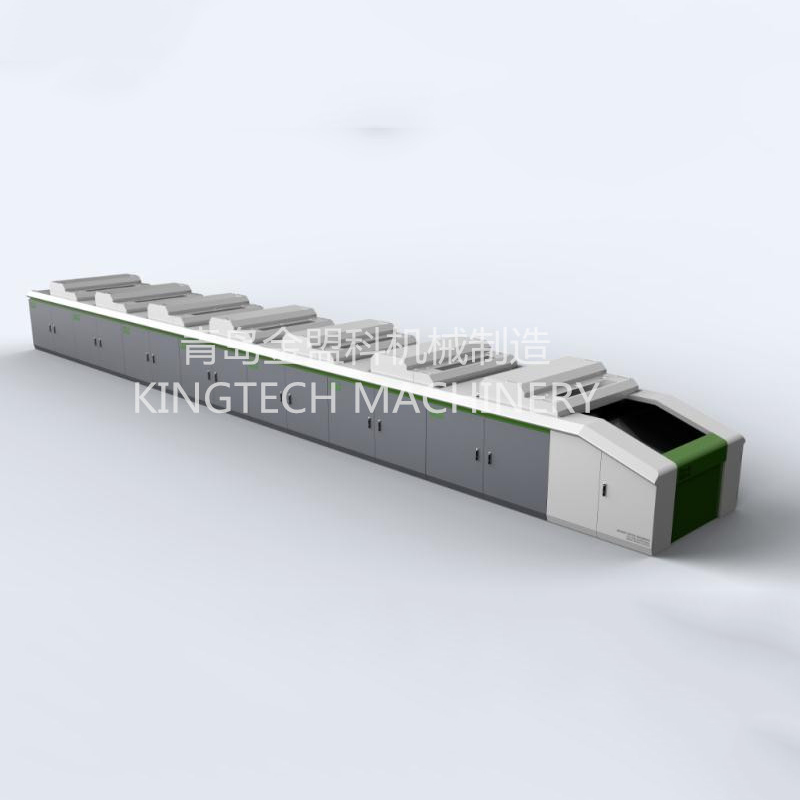
Working Process of Cotton Waste Recycling Machine
The recycling process begins when cotton waste materials enter the machine system for mechanical treatment. Through several stages, the waste is transformed into reusable fibers.
Typical recycling workflow:
● Cotton waste is fed evenly into the machine
● Opening rollers separate compact fiber structures
● Mechanical beating systems loosen fiber clusters
● Dust removal systems extract impurities during processing
● Carding rollers align fibers into a more uniform structure
● Processed recycled fibers are discharged for further manufacturing
This process improves fiber usability while minimizing material loss.
Applications of Recycled Cotton Fiber
Recycled cotton fibers produced by cotton waste recycling machines can be reused in a wide range of industrial sectors.
Main application areas include:
● Nonwoven fabric manufacturing
● Regenerated yarn production
● Furniture and mattress filling materials
● Industrial wiping cloth production
● Automotive and insulation materials
● Textile blending systems using recycled fibers
These applications help manufacturers maximize the value of recovered textile materials.
Advantages of Using Cotton Waste Recycling Machines
For industrial manufacturers, investing in cotton waste recycling equipment provides both operational and environmental advantages.
Key advantages include:
● Reduced waste disposal costs and lower landfill pressure
● Higher recovery rate of reusable cotton fibers
● Stable processing performance for continuous production
● Reduced dependence on virgin cotton materials
● Improved sustainability image for global markets
● Better production efficiency through automated processing systems
These benefits make cotton waste recycling machines an important investment for long-term manufacturing development.
Role of Cotton Waste Recycling Machines in Sustainable Manufacturing
Sustainability has become one of the most important topics in the textile industry, especially for companies exporting to international markets. Cotton waste recycling machines support environmentally responsible production by reducing waste generation and improving material reuse.
Sustainability contributions include:
● Lower consumption of natural cotton resources
● Reduced environmental pollution from textile waste
● Improved factory waste management systems
● Support for eco-friendly textile production
● Compliance with environmental standards and recycling initiatives
This makes recycling equipment increasingly valuable in modern textile supply chains.
Future Development Trends of Cotton Waste Recycling Machines
As textile recycling technology continues to advance, cotton waste recycling machines are becoming more intelligent, efficient, and adaptable to different production environments.
Future industry trends include:
● Integration with automated waste collection systems
● Smart monitoring systems for fiber quality control
● Energy-saving machine structures and motors
● Modular equipment design for flexible production layouts
● Improved processing capability for mixed textile materials
These developments are helping manufacturers improve productivity while supporting sustainable manufacturing goals.
Conclusion
Cotton Waste Recycling Machine technology is becoming an essential part of modern textile recycling and sustainable manufacturing systems. By converting waste cotton materials into reusable fibers, these machines help businesses reduce costs, improve production efficiency, and support environmentally responsible operations.
For B2B textile manufacturers and recycling companies, adopting advanced cotton waste recycling equipment is not only a practical production decision but also a strategic investment for future market competitiveness.
FAQ
1. What materials can a cotton waste recycling machine process?
It can process spinning waste, fabric scraps, yarn waste, used cotton textiles, and other cotton-related production waste.
2. What industries use recycled cotton fibers?
Industries such as nonwoven production, regenerated yarn manufacturing, furniture filling, and industrial textiles widely use recycled cotton fibers.
3. How does a cotton waste recycling machine improve efficiency?
It automates opening, cleaning, and fiber processing operations, improving productivity and reducing material waste.
4. Why is cotton waste recycling important for textile manufacturers?
It helps reduce raw material costs, improve sustainability performance, and support circular economy manufacturing models.
Post time: May-07-2026