




In today’s textile manufacturing and recycling industry, cotton waste has become one of the most important raw material streams for sustainable production. From spinning mills to garment factories, large volumes of cotton waste are generated every day, including fiber scraps, yarn waste, fabric offcuts, and post-industrial leftovers. A Cotton Waste Recycling Machine is specifically designed to process these materials and convert them into reusable fiber resources that can be used again in spinning, nonwoven production, insulation materials, and various industrial applications.
For B2B manufacturers and recycling plants, this equipment is not only a waste management solution but also a value recovery system that turns low-value waste into commercially usable raw materials.
Why Is Cotton Waste Recycling Becoming a Critical Industrial Requirement?
The global textile industry produces millions of tons of cotton-related waste every year, and a large portion of this material still contains high-quality natural fibers that can be recovered. Instead of discarding or burning these materials, modern industries are increasingly focusing on fiber recovery and reuse strategies.
Cotton waste recycling is driven by both environmental responsibility and economic efficiency, making it a key part of modern industrial production systems.
Key industry drivers include:
● Increasing production waste from textile and garment manufacturing
● Rising raw material costs for virgin cotton fibers
● Strong global demand for sustainable textile production
● Environmental regulations restricting textile waste disposal
● Growth of circular economy models in textile supply chains
These factors have significantly increased the demand for efficient cotton waste processing systems.
What Is a Cotton Waste Recycling Machine and How Does It Work?
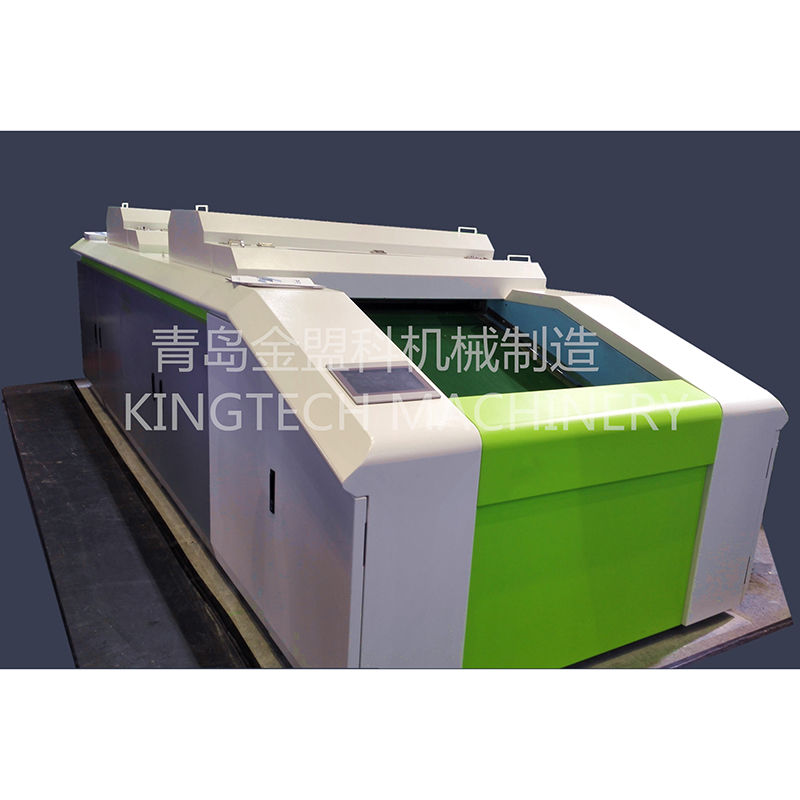
A Cotton Waste Recycling Machine is an industrial system designed to process various forms of cotton waste and transform them into loose, usable fibers through controlled mechanical opening and separation processes. The machine does not simply destroy the material; instead, it carefully loosens fiber structures to preserve fiber length and usability.
This makes it suitable for producing recycled cotton that can be reused in multiple industrial applications.
Standard working process includes:
● Feeding cotton waste materials into the machine input system
● Mechanical opening of compact fiber clusters and fabric structures
● Separation of tangled fibers into loose and usable fiber form
● Removal of impurities such as dust, small particles, and foreign materials
● Output of processed recycled cotton fibers for further use
This structured process ensures stable output quality and high fiber recovery efficiency.
What Types of Cotton Waste Can Be Processed?
Cotton waste recycling machines are designed to handle a wide variety of cotton-based materials generated in both industrial and post-consumer environments.
Common processing materials include:
● Cotton yarn waste from spinning mills
● Fabric scraps from cutting and tailoring processes
● Cotton garment waste from apparel manufacturing
● Knitting waste and knitting leftovers
● Post-industrial textile offcuts
● Defective cotton fabrics and rejected production materials
This versatility allows recycling facilities to handle mixed waste streams efficiently.
Industrial Role of Cotton Waste Recycling Machines
In modern recycling systems, cotton waste recycling machines serve as a core component in the fiber recovery production line. They are often positioned as the first stage of processing before opening, carding, and fiber refining systems.
Their role is essential in ensuring that raw waste materials are converted into a consistent and usable form.
Main industrial roles include:
● Pre-processing cotton waste for fiber recovery systems
● Converting bulky textile waste into manageable fiber form
● Improving material consistency for downstream processing
● Supporting large-scale recycling production lines
● Increasing overall fiber utilization efficiency
Without proper recycling machines, cotton waste cannot be efficiently reused in industrial applications.
Advantages of Using Cotton Waste Recycling Machines
For B2B manufacturers and recycling companies, investing in cotton waste recycling equipment offers both operational and financial benefits. It helps reduce raw material costs while increasing resource utilization efficiency.
Key advantages include:
● Higher recovery rate of usable cotton fibers
● Reduced dependency on virgin cotton materials
● Lower waste disposal and transportation costs
● Improved efficiency in textile recycling operations
● Stable output quality suitable for industrial reuse
● Enhanced profitability from waste material conversion
These advantages make the machine a strategic investment for textile-related industries.
Where Are Recycled Cotton Fibers Used?
Cotton waste recycling machines produce fibers that can be reused in multiple industries, extending the lifecycle of raw materials and supporting sustainable manufacturing systems.
Major application industries include:
● Nonwoven fabric production for hygiene and medical products
● Mattress and furniture filling materials
● Thermal insulation and acoustic insulation products
● Automotive interior padding materials
● Industrial wiping and cleaning materials
● Recycled textile yarn blending systems
These applications demonstrate the wide industrial value of recycled cotton fibers.
Integration into Complete Recycling Production Lines
In modern industrial environments, cotton waste recycling machines are not used alone but integrated into complete fiber recovery systems. This allows continuous production and higher efficiency.
Typical production line structure includes:
● Cotton waste collection and feeding systems
● Opening and recycling machine units
● Dust removal and impurity separation systems
● Fiber refining and carding machines
● Baling and packaging systems for final output
This integrated approach ensures consistent production flow and stable fiber quality.
Importance of Fiber Quality in Cotton Recycling
One of the most important aspects of cotton waste recycling is maintaining fiber quality during processing. If fibers are overly damaged, their usability in downstream applications will be significantly reduced.
Advanced recycling machines are designed to balance efficient opening with fiber protection.
Fiber quality benefits include:
● Better fiber uniformity for industrial applications
● Improved blending with virgin cotton fibers
● Higher performance in nonwoven production
● Increased value of recycled fiber materials
● Greater flexibility in industrial usage
Maintaining fiber integrity is essential for achieving high-value recycling output.
Future Trends in Cotton Waste Recycling Technology
As the textile recycling industry continues to evolve, cotton waste recycling machines are also becoming more advanced in terms of automation, efficiency, and energy optimization.
Future development trends include:
● Intelligent control systems for production monitoring
● Automated feeding and waste sorting integration
● Energy-efficient motor and cutting systems
● Improved fiber protection and cleaning technology
● Smart factory integration with digital production systems
These advancements will further improve recycling efficiency and industrial scalability.
Conclusion
A Cotton Waste Recycling Machine plays a crucial role in transforming textile waste into valuable reusable fibers, supporting both environmental sustainability and industrial efficiency. By converting cotton waste into high-quality recycled fiber materials, this equipment helps manufacturers reduce costs, improve resource utilization, and contribute to circular economy development.
For textile producers and recycling enterprises, cotton waste recycling technology is an essential component of modern sustainable production systems.
FAQ
1. What materials can a cotton waste recycling machine process?
It can process yarn waste, fabric scraps, garment waste, knitting waste, and various cotton-based textile leftovers from industrial production.
2. What is the output of a cotton waste recycling machine?
The machine produces loose recycled cotton fibers that can be reused in nonwoven products, filling materials, insulation, and textile blending.
3. Can cotton waste be recycled without damaging fibers?
Modern machines are designed to open and separate fibers gently, maintaining fiber length and usability as much as possible.
4. Is cotton waste recycling profitable for businesses?
Yes, it reduces raw material costs, lowers waste disposal expenses, and creates reusable fiber products that have strong market demand.
Post time: Jun-11-2026