




In modern textile recycling and industrial waste management systems, the ability to efficiently process soft fiber materials such as cotton waste, old bedding, fabric scraps, and linen has become increasingly important. A Waste Cutting Machine provides a stable and controlled solution for reducing bulky textile waste into manageable sizes, making it easier for downstream recycling, fiber opening, or material reprocessing operations.
For B2B manufacturers and recycling facilities, this equipment plays a key role in improving material handling efficiency while supporting large-scale sustainable recycling operations across textile and nonwoven industries.
What Is a Waste Cutting Machine for Textile and Fiber Waste?
A Waste Cutting Machine is an industrial processing system designed to cut and reduce soft and bulky waste materials into smaller, uniform pieces suitable for further recycling or fiber recovery processes.
Unlike simple shredding systems, this machine is engineered to handle fibrous and flexible materials in a controlled way, ensuring stable output size while minimizing excessive fiber damage or material entanglement.
It is widely used for processing:
● Cotton waste and cotton fiber scraps
● Old bedding materials including quilts, blankets, and mattresses filling waste
● Fabric scraps from garment and textile manufacturing
● Linen materials including industrial and household linen waste
● Mixed soft textile waste requiring controlled size reduction
This wide compatibility makes it a core machine in textile recycling production lines.
Why These Materials Require Specialized Cutting Equipment
Soft textile waste such as cotton, bedding, and fabric scraps cannot be effectively processed using standard industrial crushers or rigid shredders, as these materials tend to wrap, entangle, or form uneven fiber clumps during uncontrolled processing.
A controlled waste cutting system ensures stable feeding and consistent output, which is essential for downstream fiber opening and recycling processes.
Common processing challenges include:
● Cotton waste forming tangled fiber clusters during uncontrolled cutting
● Old bedding materials creating bulky, uneven waste volumes
● Fabric scraps wrapping around machine components
● Linen materials requiring gentle but efficient size reduction
● Inconsistent output affecting downstream recycling efficiency
These challenges make specialized cutting systems necessary for stable industrial operation.
Working Principle of Waste Cutting Machine
The system operates through controlled mechanical cutting action, designed specifically for flexible and fibrous materials. It ensures consistent size reduction while maintaining processing stability under continuous industrial conditions.
Typical working process includes:
● Feeding of cotton, bedding, or fabric waste into a controlled hopper system
● Stabilization of material flow to prevent entanglement or blockage
● Mechanical cutting using rotary blades or fixed blade systems
● Continuous discharge of uniformly cut material pieces
● Integration with conveyors for automated production line operation
This structured process ensures high efficiency and stable output quality.
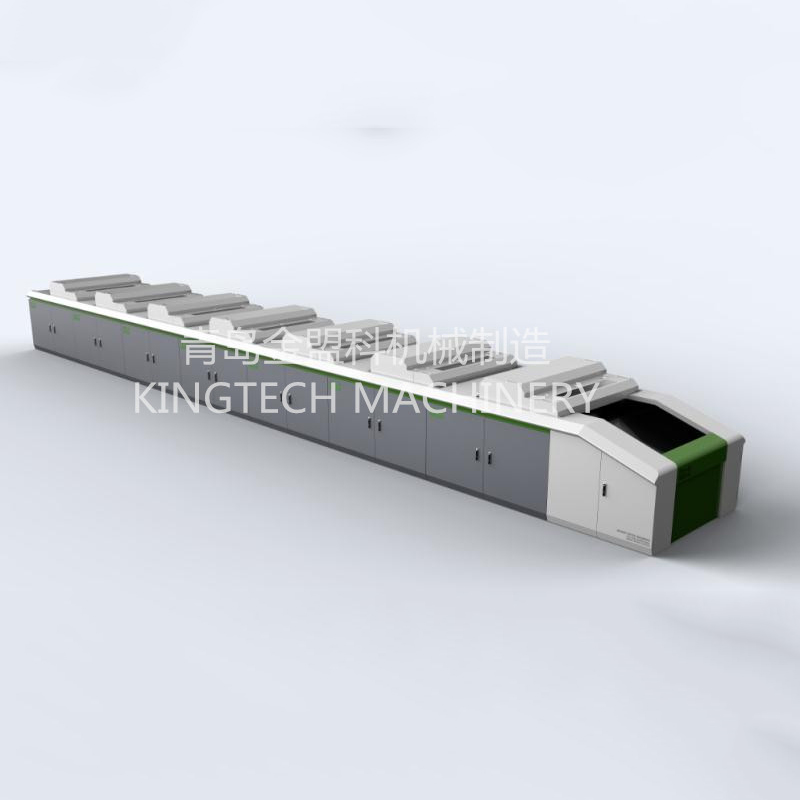
Industrial Applications and Material Compatibility
The Waste Cutting Machine is specifically designed for soft fiber-based waste, making it highly suitable for textile recycling industries and related manufacturing sectors.
Suitable materials include:
● Cotton waste from spinning, weaving, and garment production
● Old quilts, blankets, and bedding waste materials
● Fabric scraps and textile offcuts from cutting operations
● Linen waste from hospitality, healthcare, and industrial use
● Soft composite textile waste requiring size reduction
Its adaptability allows it to handle both post-industrial and post-consumer textile waste streams.
Role in Textile Recycling and Fiber Recovery Systems
In modern recycling systems, waste cutting is often the first and most important step before fiber opening, carding, or reprocessing.
By reducing material size and improving feeding consistency, the machine significantly enhances the efficiency of downstream fiber recovery systems.
Key system functions include:
● Pre-processing cotton waste for fiber opening machines
● Preparing old bedding materials for fiber recovery systems
● Supporting fabric scrap recycling into reusable fiber form
● Improving feeding efficiency for carding and opening equipment
● Enhancing overall recycling line stability and output quality
This makes it an essential upstream machine in textile recycling plants.
Advantages for B2B Industrial Users
For industrial operators, the Waste Cutting Machine provides significant operational and economic advantages, especially in large-scale textile recycling environments.
Key benefits include:
● Improved processing efficiency for bulky textile waste materials
● Reduced labor and manual waste handling requirements
● Stable and uniform cutting output for downstream processing
● Lower transportation and storage costs due to volume reduction
● Enhanced recycling system performance and fiber recovery rate
● Strong compatibility with automated production line systems
These benefits make it a practical investment for recycling factories and textile manufacturers.
Integration into Complete Recycling Production Lines
The machine is commonly used as part of a full recycling system, working alongside fiber opening, carding, and dust removal equipment to form a complete production workflow.
Typical integrated systems include:
● Waste collection and feeding conveyor systems
● Waste cutting and size reduction units
● Fiber opening and loosening machines
● Carding systems for fiber alignment
● Dust and impurity removal units
● Baling and packaging systems for final fiber output
This integration ensures smooth production flow and higher operational efficiency.
Future Development Trends in Waste Cutting Technology
As industrial recycling systems continue to evolve, waste cutting machines are also advancing toward higher efficiency, automation, and energy optimization.
Key future trends include:
● Smart feeding control systems for stable material handling
● Energy-saving cutting mechanisms for reduced operational cost
● Improved blade materials for longer service life
● Modular system design for flexible production line expansion
● Integration with intelligent recycling and smart factory systems
These developments will further improve productivity and system reliability.
Conclusion
The Waste Cutting Machine provides an efficient and stable solution for processing cotton waste, old bedding, fabric scraps, and linen materials in industrial recycling environments. By ensuring controlled size reduction and consistent output, it improves downstream processing efficiency and supports the development of sustainable textile recycling systems.
For B2B manufacturers and recycling operators, this machine is a key component in building high-efficiency production lines that transform soft textile waste into valuable reusable resources while reducing operational costs and improving overall recycling performance.
Post time: May-28-2026